Introduction:
Faux leather upholstery fabrics use synthetic materials like polyurethane (PU) or polyvinyl chloride (PVC) instead of animal hides. These materials create a look and feel similar to genuine leather without using animal products. The table below shows key differences between faux leather and genuine leather in composition, durability, maintenance, and environmental impact:
| Feature | Faux Leather (PU, PVC) | Genuine Leather (Bovine Hides) |
|---|---|---|
| Composition | Synthetic materials | Organic materials |
| Durability | Less durable, may crack | Highly durable, lasts decades |
| Maintenance | Easier to clean | Improves with age |
| Environmental Impact | Non-biodegradable materials | Upcycled by-products |
Faux leather provides a versatile option for upholstery, offering an animal-free alternative with distinct characteristics.
Faux Leather Upholstery Fabrics Explained with Pros Cons and Key Features
- Faux leather is made from synthetic materials like PU and PVC, offering a cruelty-free alternative to genuine leather.
- It is easier to clean and maintain than real leather, making it ideal for busy households.
- Faux leather can last up to 20 years with proper care, but it may crack or peel over time.
- Genuine leather is more durable and develops a unique patina, while faux leather maintains a consistent appearance.
- Plant-based faux leathers, like Piñatex, are more sustainable options that use renewable resources.
- When choosing upholstery, consider factors like cost, style, durability, and ethical values.
- Regular cleaning and gentle care can extend the life of faux leather upholstery.
- Faux leather is popular in furniture and automotive industries due to its stylish look and easy maintenance.
Faux Leather Upholstery Fabrics Overview
Definition
Faux leather upholstery fabrics are synthetic materials designed to look and feel like real leather. Manufacturers use plastic-based substances such as polyurethane (PU) or polyvinyl chloride (PVC) to create these materials. Faux leather, also called imitation leather upholstery fabrics or vegan leather, does not use animal products. Instead, it relies on man-made processes to achieve a leather-like appearance and texture. Producers often treat faux leather with dyes and embossing techniques to mimic the grain and color of natural leather.
Note: The demand for faux leather has increased rapidly in recent years. Consumers now prefer cruelty-free and sustainable options. The faux leather furniture market reached $19.9 billion in 2024 and is expected to grow to $30.1 billion by 2033. This growth comes from eco-conscious choices, affordability, and advances in material technology.
Comparison with Genuine Leather
Material
| Material Type | Composition | Durability | Appearance | Comfort |
|---|---|---|---|---|
| PU | 100% Polyurethane on base materials like polyester, cotton, nylon, or rayon | Less durable than natural leather | Mimics the look and feel of real leather | Generally comfortable |
| PVC | Polyvinyl chloride combined with stabilizers, plasticizers, and lubricants | Less durable than natural leather | Designed to resemble animal hide | Varies in comfort based on treatment |
Faux leather uses synthetic polymers, while genuine leather comes from animal hides. The base materials for faux leather often include polyester or cotton, coated with PU or PVC. Genuine leather is a natural, organic material.
Appearance
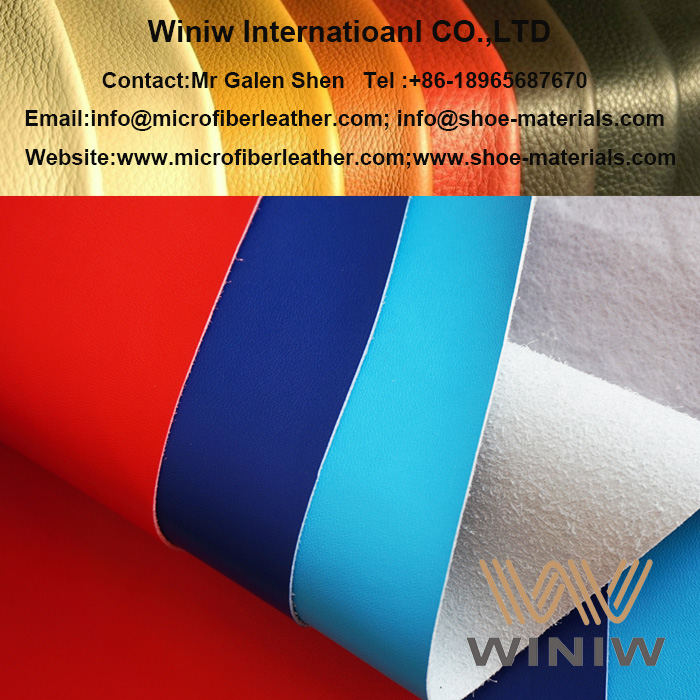
Faux leather closely imitates the look of real leather. Manufacturers use dyes and surface treatments to create realistic colors and textures. However, faux leather lacks the unique grain patterns and subtle imperfections found in genuine leather. Over time, real leather develops a patina, which gives it a distinct character. Faux leather maintains a consistent appearance throughout its lifespan.
Durability
| Property | Faux Leather | Genuine Leather |
|---|---|---|
| Durability | More durable, resistant to stains, tears, and moisture | Less durable but ages well, develops a unique patina |
| Maintenance | Less maintenance-intensive, easy to clean | Requires more care, can be damaged over time |
| Longevity | Can last up to 20 years with proper care | Known for its longevity and unique aging process |
Faux leather resists stains, moisture, and tears better than genuine leather. It requires less maintenance and can last up to 20 years with proper care. Genuine leather, while less resistant to daily wear, becomes more attractive as it ages. Its natural fibers allow it to develop a unique look over time.
Care
Faux leather upholstery fabrics are easy to clean. Most spills wipe away with a damp cloth. They do not absorb liquids as quickly as real leather. Genuine leather needs regular conditioning to prevent drying and cracking. It can stain easily and may require special cleaning products.
Ethics
Faux leather offers an animal-free alternative. Many consumers choose it for ethical reasons, seeking cruelty-free and vegan products. However, faux leather is made from petroleum-based materials like PVC and PU, which are not biodegradable. These materials can take hundreds of years to break down. The production process also uses chemicals that may harm the environment, especially in areas with weak regulations. Genuine leather, while biodegradable and recyclable, raises concerns about animal welfare and resource use.
Tip: When choosing between faux leather and genuine leather, consider both ethical and environmental factors. Faux leather avoids animal use but may have a larger environmental footprint due to its synthetic composition.
Types of Faux Leather
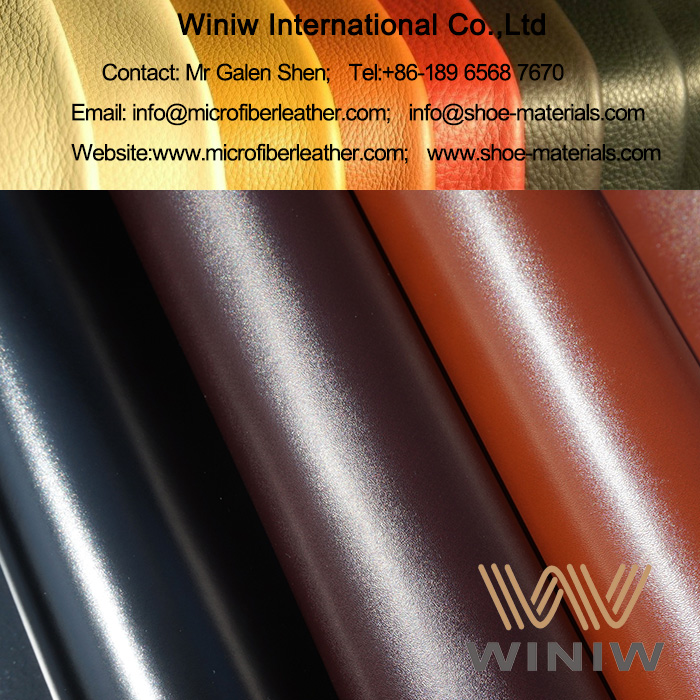
PU Faux Leather
PU faux leather stands as one of the most common types of imitation leather upholstery fabrics. Manufacturers create it by coating a fabric base, such as polyester or cotton, with a layer of polyurethane. This process gives the material a smooth, leather-like surface.
- Polyurethane, a petroleum-based polymer, forms the main component.
- The backing fabric often uses polyester or cotton.
- The result is a water-resistant finish and a realistic leather appearance.
- However, the material tends to have lower breathability and may show durability issues over time.
PU faux leather offers several benefits. It feels soft and flexible, making it comfortable for furniture and car seats. The material resists stains and cleans easily with a damp cloth. Many people choose PU as a leather alternative because it does not use animal products.
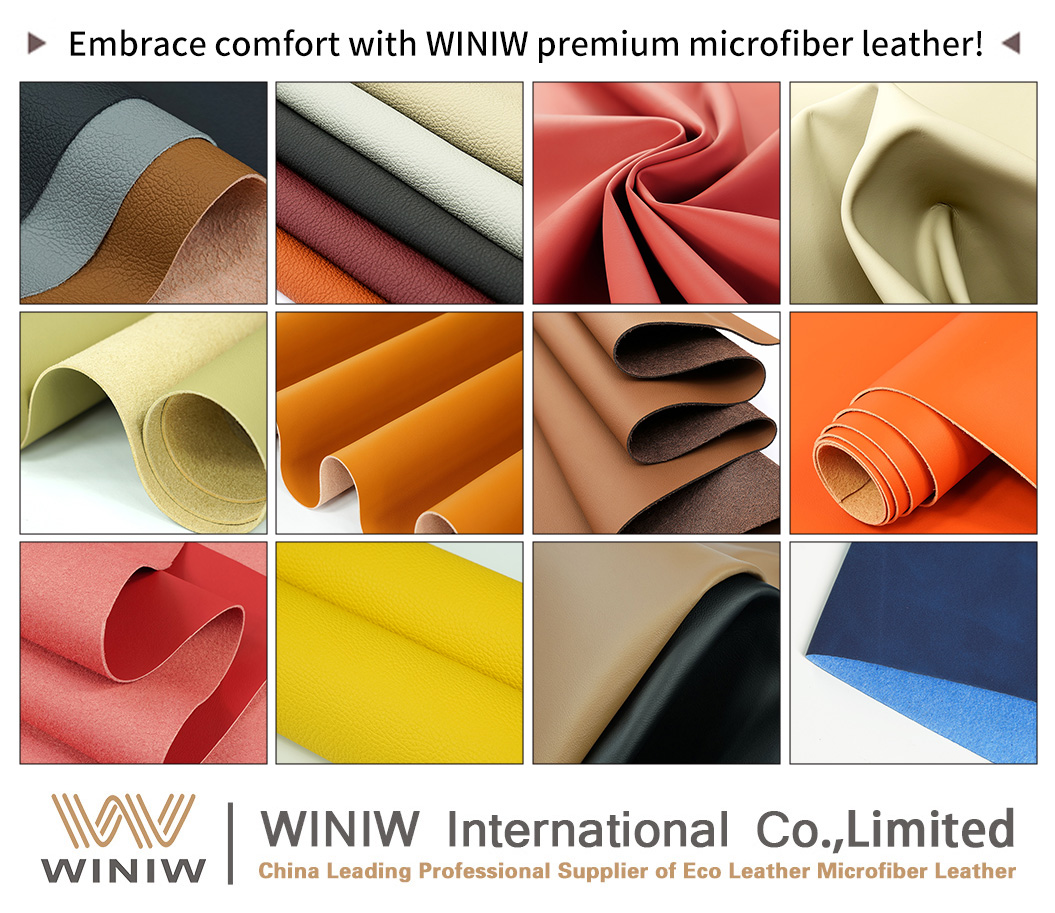
Despite these advantages, PU faux leather can peel or crack after years of use. It also traps heat, which may cause discomfort in warm climates. The synthetic nature means it does not develop a patina like real leather.
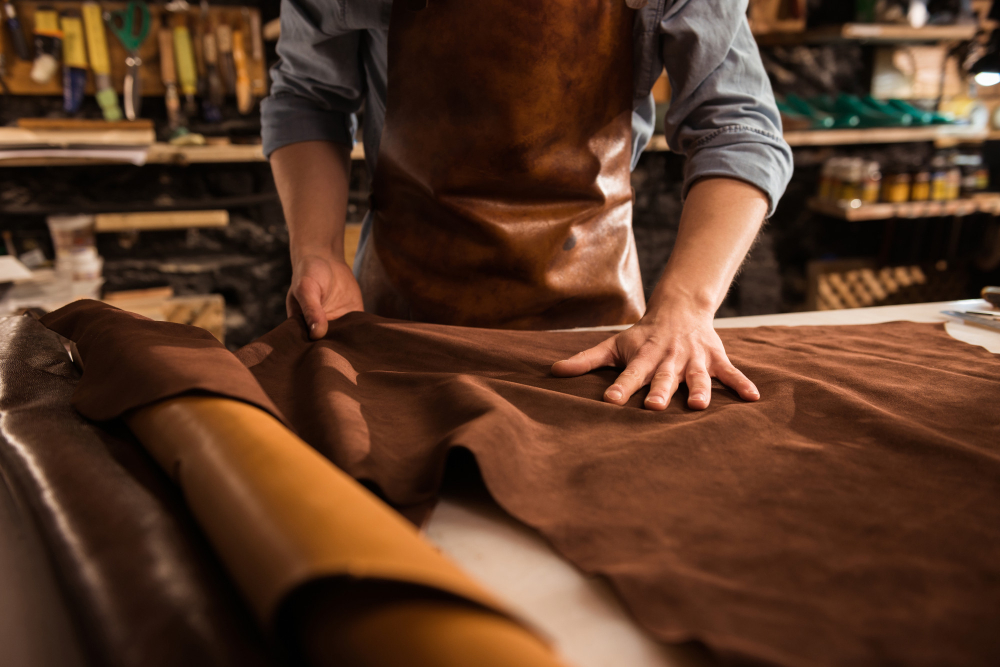
PVC Faux Leather
PVC faux leather, another popular choice among types of imitation leather fabrics, uses polyvinyl chloride as its main ingredient. Manufacturers add stabilizers, plasticizers, and lubricants to create a flexible and durable surface. This type of faux leather is known for its strength and resistance to moisture.
| Aspect | PVC Leather | PU Leather |
|---|---|---|
| Cost | Usually cheaper | Slightly more expensive |
| Water Resistance | Highly water-resistant | Water-resistant |
| Breathability | Less breathable | More breathable |
| Durability | More durable, abrasion-resistant | Bien, but may peel over time |
| Environmental Impact | Worse for environment | Less toxic production |
PVC faux leather stands out for its affordability and waterproof qualities. It works well in environments where spills and moisture are common, such as kitchens or outdoor furniture. The material also comes in many colors and textures, allowing for a wide range of design options.
- Advantages:
- Economical and affordable
- Vegan-friendly, with no animal products
- 100% waterproof
- Easy to clean
- Customizable appearance
- Disadvantages:
- Shorter lifespan than genuine leather
- Non-breathable, can trap heat and sweat
- Environmental concerns due to non-biodegradable chemicals
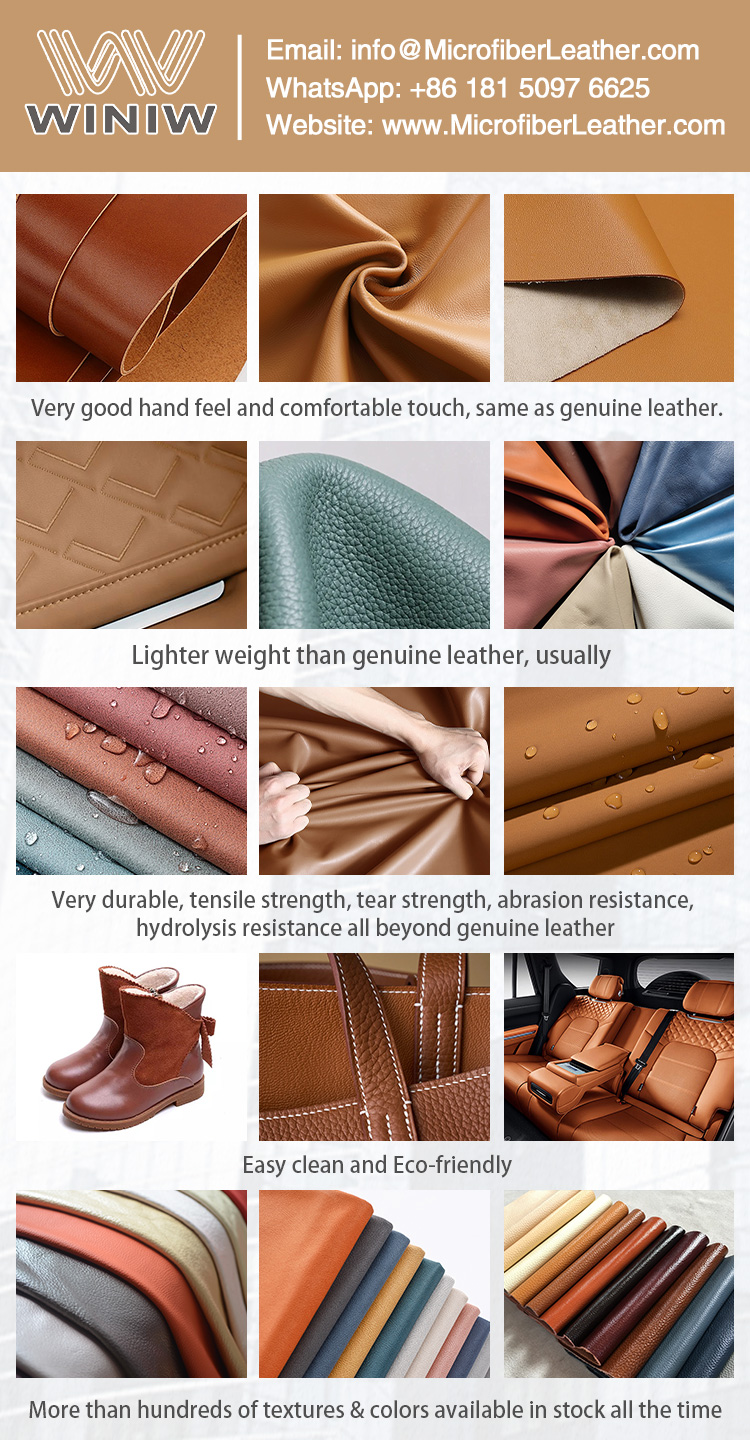
Plant-Based Alternatives
Plant-based alternatives represent a newer category in the world of imitation leather upholstery fabrics. These materials use natural sources such as pineapple leaves, apple peels, or cactus fibers. The goal is to create sustainable leather alternatives that reduce reliance on plastics and lower environmental impact.
Plant-based faux leather often features a fabric backing combined with a bio-based coating. These types of imitation leather fabrics appeal to eco-conscious consumers who want both cruelty-free and environmentally friendly options. While still developing, plant-based options show promise in durability and comfort. However, they may cost more and offer fewer color or texture choices compared to PU or PVC.
Note: Plant-based leather alternatives continue to evolve. Manufacturers improve their performance and expand their use in furniture, fashion, and automotive interiors.
Manufacturing Process
The manufacturing process of faux leather involves several key steps that transform raw materials into durable and attractive upholstery fabrics. Each stage allows for customization in color, texture, and finish, resulting in a wide range of options for consumers.
Base Materials
Manufacturers begin by selecting a strong and flexible base material. Common choices include cotton, polyester, or a blend of synthetic fibers. These fabrics provide the foundation for the faux leather. For PVC faux leather, the process starts with electrolyzing salt to produce chlorine, which then combines with ethylene to form polyvinyl chloride. Additives like plasticizers increase flexibility. In PU faux leather, isocyanates and polyols react to create a polyurethane layer. The choice of base material affects the final product’s strength, flexibility, and comfort.
Tip: The quality of the base fabric plays a major role in the durability and feel of the finished faux leather.
Coating Methods
After preparing the base, manufacturers apply a plastic coating to create the leather-like surface. This step uses different methods depending on the type of faux leather:
| Coating Type | Properties | Durability |
|---|---|---|
| PVC | Flexible, waterproof | May crack or peel over time |
| PU | Soft, breathable | Enhanced resistance to wear and tear |
| Silicone | Hypoallergenic, durable | Highly durable and safe for sensitive skin |
PU leather stands out for its resistance to daily wear and tear, making it suitable for furniture and automotive upholstery. PVC coatings offer excellent water resistance but may become brittle or peel with age, especially under sunlight. Silicone coatings, though less common, provide hypoallergenic and highly durable surfaces. The method of bonding the plastic to the base often involves melting the polymer and rolling it onto the fabric, ensuring a smooth and even layer.
- PU leather offers superior durability for high-use items.
- PVC-based faux leather may crack or peel over time.
- The combination of base material and coating method determines the overall quality.

Finishing Techniques
Finishing techniques give faux leather its final appearance and texture. Manufacturers use a variety of methods to achieve realistic and attractive results:
- Mixing colors to create natural-looking hues.
- Applying a base color, then adding medium shades for depth.
- Using dry brushing or stippling to mimic the grain and texture of real leather.
- Blotting and layering paint for color variation.
- Sealing the surface with clear or dark wax to protect the finish and maintain color integrity.
- Sanding between layers to smooth transitions and enhance texture.
These finishing steps allow for a wide range of customization. Some techniques, like embossing, press patterns into the surface to replicate the look of genuine leather. Others, such as clear coating, add shine and improve durability. Quality testing follows, ensuring the finished product meets standards for strength, flexibility, and resistance to wear.
Note: Customization in color, texture, and finish helps manufacturers meet the diverse needs of furniture, automotive, and fashion industries.

Key Features of Faux Leather Upholstery Fabrics
Appearance
Faux leather upholstery fabrics offer a wide range of visual styles. Manufacturers design these materials to closely imitate the look of genuine leather. They use synthetic polymers such as PVC and PU to replicate the color, sheen, and grain patterns found in natural leather. Many consumers notice that faux leather maintains a consistent color and finish over time. Unlike genuine leather, which develops a patina and unique markings, faux leather keeps its original appearance for years.
- Faux leather is engineered to imitate the look and feel of genuine leather.
- Genuine leather is often viewed as more luxurious and high-quality due to its natural characteristics.
- Faux leather is made from synthetic polymers like PVC or PU, designed to replicate leathers texture and visual appeal.
Tip: Consistent cleaning and gentle care help faux leather maintain its look and feel for many years.
Routine cleaning not only keeps the surface looking fresh but also protects the underlying fabric. By avoiding common mistakes, users can prevent unnecessary damage. Seasonal adjustments further safeguard the upholstery against environmental changes.