Vegan leather products continue to gain traction among conscious shoppers who value innovation and responsibility. The global vegan leather market is projected to reach USD 11.07 billion by 2025, with a strong annual growth rate.
- By 2034, estimates place the market at USD 27.80 billion.
- Demand for vegan alternatives rises as more consumers seek ethical and sustainable fashion.
- The sustainable fashion market itself is expected to grow rapidly, driven by a shift toward socially responsible choices.
These vegan selections blend fashion, function, and values. Each product meets strict criteria for ethics, sustainability, and style.
 Key Takeaways
- Vegan leather is a cruelty-free alternative to traditional leather, supporting animal welfare and ethical sourcing.
- The vegan leather market is rapidly growing, projected to reach USD 27.80 billion by 2034, reflecting increased consumer demand for sustainable fashion.
- Innovative materials like mycelium, cactus, and apple leather offer eco-friendly options that reduce environmental impact compared to animal leather.
- Brands like Stella McCartney and JW PEI lead the way in luxury vegan leather, combining high-quality design with sustainable practices.
- When shopping for vegan leather, check labels for material composition and look for trusted certifications to ensure ethical standards.
- Avoid greenwashing by researching brands and their claims; prioritize transparency and long-lasting products for true sustainability.
- Proper care and storage of vegan leather products can extend their lifespan, ensuring they remain stylish and functional.
- Choosing vegan leather supports a shift towards responsible fashion, helping to create a more sustainable future.
Why Vegan Leather?
Ethics
Vegan leather appeals to conscious shoppers who prioritize animal welfare and responsible sourcing. Traditional leather production often involves animal hides, raising concerns about cruelty and inconsistent ethical standards. In contrast, vegan alternatives offer a cruelty-free solution. The table below highlights the main ethical differences between traditional and vegan leather:
| Ethical Concern | Traditional Leather | Vegan Leather |
|---|---|---|
| Animal Welfare | Ethical sourcing varies; animal hides used | Cruelty-free; no animal hides used |
| Environmental Impact | High carbon emissions; chemical pollution | Varies; potential for pollution |
| Resource Consumption | Requires large amounts of water and energy | Depends on materials used |
By choosing vegan leather, shoppers support an ethical approach that avoids animal exploitation and aligns with modern values.
Sustainability
Sustainable fashion choices have become essential for reducing environmental impact. Vegan leather offers a more sustainable alternative to animal leather, especially when brands use plant-based or recycled materials. The environmental footprint of vegan options often proves lower than that of traditional leather. Consider the following comparisons:
- Mycelium leather has a carbon footprint of 57.15 kg CO₂e per m², primarily due to energy consumption during production.
- Traditional animal leather has a global warming potential ranging from 65 to 150 kg CO₂-equivalent per m².
- Tanning one ton of animal hides generates 20–80 m³ of heavily polluted wastewater.
- Cactus leather (Desserto) uses about 200 L of water per m², significantly less than animal leather.
Vegan leather brands continue to innovate with sustainable materials, reducing water use and carbon emissions. These efforts help create a more responsible fashion industry.
Innovation
Innovation drives the evolution of vegan leather. New technologies allow brands to create materials that mimic the look and feel of animal leather while minimizing environmental harm. The table below outlines some of the most advanced technologies in vegan leather production:
| Technology | Description |
|---|---|
| BioFuze Technology | Merges grain proteins with natural elements to create luxurious biomaterials that mimic leather. |
| Structural Proteins | Uses structural proteins to replicate the look and feel of leather in an eco-friendly way. |
| Tanning-Free Process | Eliminates the traditional tanning process, avoiding toxic chemicals and reducing impact. |
These innovations enable vegan brands to offer products that are both stylish and sustainable. Shoppers can now find vegan leather goods that meet high standards for quality, durability, and environmental responsibility.
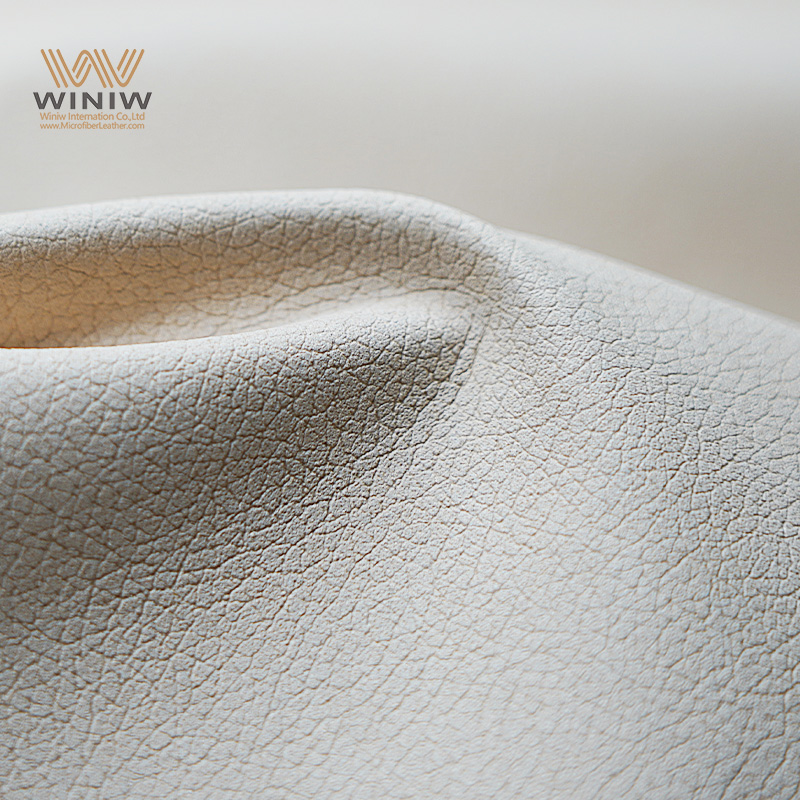
Vegan Leather Materials
Vegan leather comes in a variety of innovative materials, each offering unique benefits for conscious shoppers. Brands select these materials based on their environmental impact, durability, and ability to mimic traditional leather. The following overview highlights the most common types found in today’s market.
PU Leather
Polyurethane (PU) leather remains one of the most widely used vegan materials. Manufacturers favor PU for its versatility and ability to replicate the texture of animal leather. PU leather is more eco-friendly than PVC, but it still relies on petroleum-based production. This process limits its biodegradability and can contribute to pollution. The table below compares PU leather with plant-based options:
| Material Type | Advantages | Disadvantages |
|---|---|---|
| PU Leather | Animal-friendly, versatile | Petroleum-based production, limited biodegradability, pollution potential |
| Plant-Based Leather | Sustainable, biodegradable | Can be more expensive, variable quality |
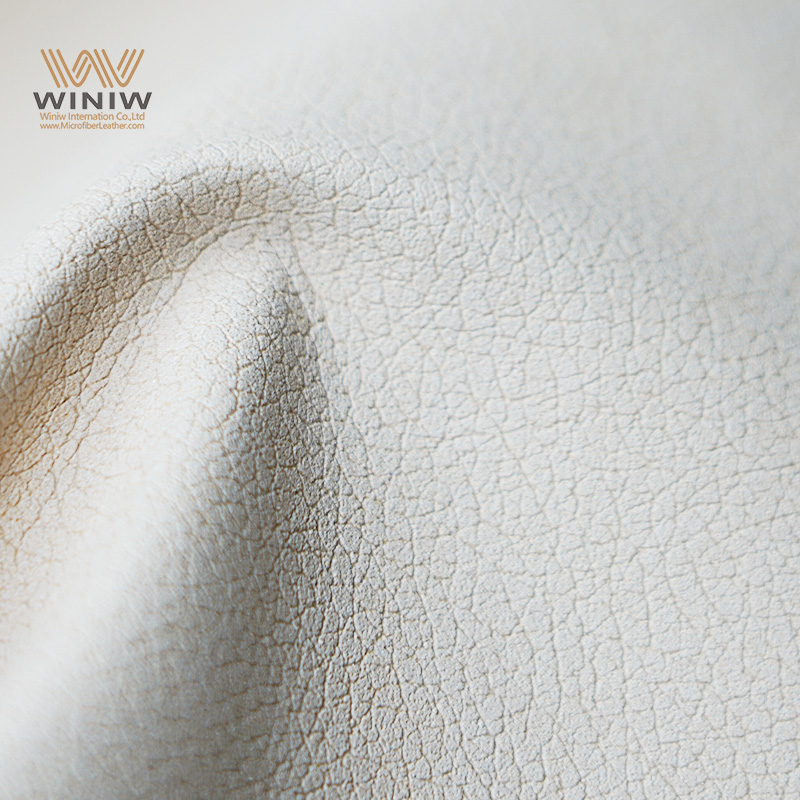
Plant-Based Leathers
Plant-based vegan leathers have gained popularity for their sustainable qualities and innovative origins. These materials often use agricultural byproducts or renewable resources, making them attractive to eco-conscious consumers.
Apple Leather
Apple leather utilizes waste from apple juice and cider production. Brands like Leap transform apple pomace into a durable, flexible material. This process reduces food waste and supports a circular economy.
Piñatex
Piñatex comes from discarded pineapple leaves, a byproduct of the pineapple harvest. Farmers benefit from additional income, while the material itself offers strength and breathability. Major brands such as H&M and Hugo Boss have adopted Piñatex in their vegan collections.
Desserto
Desserto uses the Nopal cactus to create a soft, resilient vegan leather. The cactus grows with minimal water and does not require pesticides, making Desserto a low-impact, sustainable choice. The material stands out for its durability and unique texture.
Mushroom Leather
Mushroom leather, also known as mycelium leather, is produced from the root structure of fungi. This material is 100% biodegradable, waterproof, and durable. Leading brands like Stella McCartney and adidas have introduced mushroom leather products, highlighting its commercial viability.
Cork Leather
Cork leather is harvested from the bark of cork oak trees without harming the tree. This process allows the tree to continue growing and absorbing carbon dioxide. Cork is lightweight, durable, and naturally water-resistant, making it a preferred option for vegan accessories.
Note: Plant-based leathers such as apple, pineapple, cactus, mushroom, and cork offer plastic-free, sustainable alternatives to traditional and synthetic leathers.
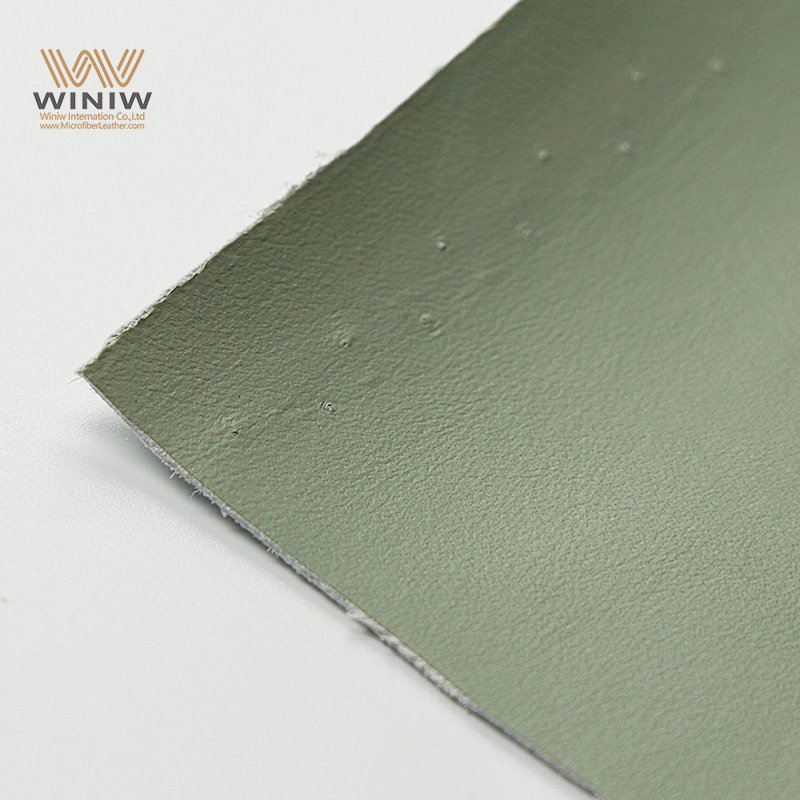
Recycled Materials
Recycled vegan leathers use post-consumer plastics, textiles, or industrial waste. These materials help reduce landfill waste and support a circular fashion economy. Brands often blend recycled fibers with plant-based or PU materials to enhance strength and flexibility.
- Common vegan leather materials include:
- Polyurethane (PU)
- Cork
- Pineapple (Piñatex)
- Mushroom (mycelium)
- Cactus (Desserto)
- Apple
- Grape and coconut leathers
Vegan leather continues to evolve, with brands exploring new sources and technologies to create products that align with sustainable values.
Vegan Leather Bags
Best Vegan Leather Bags
Shoppers searching for the best vegan leather bags will find a diverse selection that combines style, durability, and ethical values. Many brands now offer bags that rival traditional leather in both appearance and function. The Indie by Andar stands out as a top-selling option. This bag features high-quality vegan leather and a commitment to environmental responsibility. Its design appeals to those who want a fashionable accessory without compromising on sustainability.
Other popular choices include structured totes, minimalist crossbodies, and versatile backpacks. These bags often use innovative materials such as recycled plastics, cork, or plant-based leathers. Consumers appreciate the blend of modern design and eco-friendly construction. Many of these bags also feature recycled linings and hardware made from sustainable sources.
Tip: When selecting a vegan leather bag, consider the material’s durability and the brand’s ethical practices. Look for certifications or transparent supply chain information.
Vegan Leather Handbags
Vegan leather handbags have become a staple for conscious shoppers. These handbags offer a cruelty-free alternative while maintaining the elegance and practicality expected from premium accessories. Leading brands focus on craftsmanship, unique textures, and functional designs.
- Gunas produces contemporary, colorful handbags that appeal to trendsetters. Their products remain vegan, cruelty-free, ethically made, and PVC-free.
- Angela Roi specializes in mini and micro bags, combining ethical production with modern aesthetics. The brand donates a portion of sales to animal welfare organizations.
- Stella McCartney leads the luxury segment with statement hardware and innovative vegan materials. Her handbags set the standard for high-end vegan fashion.
- Matt & Nat offers shoulder bags and work-appropriate backpacks. The brand uses recycled plastics, cork, and rubber, emphasizing both style and sustainability.
- HFS Collective creates belt bags that blend practicality with ethical values. Their products are vegan, cruelty-free, and PVC-free.
- von Holzhausen crafts totes and shoppers using sustainable and recycled materials. Their handbags reflect a commitment to both design and environmental responsibility.
- Melie Bianco delivers textured and unique bags, focusing on vegan, cruelty-free, and ethically made products.
- Hozen stands out with crossbody bags in distinctive shapes, supporting ethical manufacturing and charitable giving.
- LaBante London features convertible crossbodies, prioritizing vegan materials and giving back to the community.
These brands demonstrate that vegan leather handbags can meet high standards for quality, ethics, and style.
Notable Brands
Several brands have established themselves as leaders in the vegan leather market. JW PEI uses Patina fabric, crafted from high-grade polyurethane resin and ultra-fine microfibers that closely resemble real leather. Their bags feature linings made from recycled plastic bottles, supporting a sustainable approach. JW PEI also maintains an ethical supply chain and donates a portion of sales to animal sanctuaries.
Matt & Nat stands out for its use of recycled plastics, cork, and rubber in handbag production. The brand’s eco-friendly linings and durable designs reinforce its ethical approach to fashion. Stella McCartney continues to innovate with luxury vegan leather bags, using advanced materials and sustainable practices.
Nanushka, Kerri Green, and Shop Like You Give a Damn also contribute to the growing market for vegan leather bags. These brands focus on transparency, responsible sourcing, and innovative materials. Their collections include both bestsellers and new designs that push the boundaries of vegan fashion.
| Brand | Signature Product Types | Sustainability Focus |
|---|---|---|
| JW PEI | Crossbodies, totes, clutches | Recycled linings, ethical supply chain |
| Matt & Nat | Backpacks, shoulder bags | Recycled plastics, cork, rubber |
| Stella McCartney | Luxury handbags, statement bags | Innovative vegan materials, cruelty-free |
| Nanushka | Minimalist bags, totes | Responsible sourcing, modern design |
| Kerri Green | Everyday bags, accessories | Transparency, eco-friendly materials |
| Shop Like You Give a Damn | Curated vegan bags | Ethical curation, sustainable brands |
These brands prove that vegan leather bags can deliver on both style and substance. Their commitment to sustainability and ethical production sets a new standard for the industry.
Vegan Leather Shoes
The vegan leather shoe collection continues to expand, offering conscious shoppers a wide range of animal-free options. Brands now design shoes that combine style, comfort, and sustainable practices. Vegan leather shoes appeal to those who seek ethical alternatives without sacrificing performance or aesthetics.
Sneakers
Sneakers remain a staple in any wardrobe. Vegan leather sneakers have gained popularity for their innovative materials and eco-friendly features. Leading brands focus on recycled content, responsible sourcing, and unique designs. The table below highlights some of the most popular vegan sneaker brands and their unique selling points:
| Brand | Unique Selling Points |
|---|---|
| Nike | Space Hippie style with 25% recycled materials and 75% recycled upper from plastic bottles and t-shirt scraps. |
| Lane Eight | Made from vegan microfiber and recycled polyester; each shoe uses 11 recycled plastic bottles and has an algae insole that benefits the ocean. |
| Cariuma | Offers vegan options with responsibly sourced materials and fair wages; supports charitable organizations. |
| Adidas | Lightweight shoes made from recycled materials, focusing on sustainability and carbon footprint reduction. |
| Alohas | Crafted from eco-friendly apple leather with a stylish design and thick rubber soles for comfort. |
| Merrell | Waterproof shoes designed for outdoor activities, featuring recycled materials in laces and footbed. |
These brands demonstrate that vegan sneakers can deliver on both performance and environmental responsibility. Shoppers can find options for athletic use, casual wear, and outdoor adventures.
Boots
Vegan leather boots offer a fashionable and ethical alternative to traditional leather. Many brands now produce boots that mimic the look and feel of animal leather. However, differences exist in durability and sustainability:
- Traditional leather is generally more durable and long-lasting compared to vegan leather.
- Investing in one pair of traditional leather boots may be more sustainable than multiple pairs of vegan leather boots due to resource use.
- Vegan leather does not support the meat industry and is often produced with fewer chemicals, though it is not biodegradable.
Despite these differences, vegan boots continue to improve in quality and style. Many brands use advanced materials to enhance comfort and longevity. Shoppers can choose from classic Chelsea boots, rugged hiking styles, and sleek ankle boots, all crafted with animal-free materials.
Slip-Ons
Slip-ons provide convenience and versatility for everyday wear. The vegan market features several leading brands that prioritize ethical production and innovative materials:
- TOMS offers a variety of vegan shoes, including slip-ons, sandals, and sneakers.
- Dr Martens provides vegan options for their classic styles, including slip-ons and Chelsea boots.
- Vegetarian Shoes features a wide selection of vegan footwear, including loafers and slip-ons.
These brands use materials such as recycled polyester, microfiber, and plant-based leathers. Their slip-ons combine comfort, durability, and a commitment to animal-free fashion. Shoppers can enjoy stylish footwear that aligns with their values.
Tip: When building a vegan leather shoe collection, consider the brand’s material sourcing, production methods, and transparency. Look for certifications that verify vegan and sustainable claims.
Vegan Leather Accessories
Wallets
Vegan wallets have become essential for shoppers who value both style and responsibility. Many brands now offer options that combine premium craftsmanship with eco-friendly materials. These wallets often use innovative fabrics, recycled content, or plant-based alternatives. The following brands consistently receive high ratings for quality and sustainability:
- Svala crafts stylish, animal-friendly accessories in Los Angeles, using premium fabrics. Their wallets have appeared in Vogue and Forbes.
- Tree Tribe creates handmade wallets from real leaves, blending natural beauty with sustainable design.
- Von Holzhausen produces eco-friendly wallets from innovative, animal-free materials, focusing on sustainability.
- Gunas New York offers high-end wallets made from recycled materials, including plastic bottles and cork.
- Oliver Co. London uses apple waste to create bio-based vegan leather wallets, providing a low-impact option.
- Monos features microfiber vegan leather wallets at an accessible price point.
- Hozen designs wallets from water-based PU vegan leather and recycled materials.
- Black Nopal uses certified organic cactus leather for a unique, plant-based wallet.
- Matt & Nat incorporates recycled windshield glass and water bottles into their vegan wallets.
Tip: Shoppers should look for brands that prioritize transparency and use certified sustainable materials.
Backpacks
Vegan leather backpacks now rival traditional options in both durability and design. Brands have introduced models that suit a variety of needs, from daily commutes to travel. The table below highlights some of the most innovative vegan backpacks and their standout features:
| Backpack Model | Price | Features |
|---|---|---|
| The Millie | $139.99 | Innovative design, attention to detail, ideal for work, travel, leisure |
| The Maude | $144.99 | 3-in-1 functionality, versatile for various uses |
| The Billie | $154.99 | Stylish design, available in multiple colors |
| The Charlotte | $154.99 | Elegant look, practical for everyday use |
| The Charles | $159.99 | High-quality vegan leather, designed for durability and style |
| The Billie (Chocolate) | $154.99 | Unique color, maintains stylish features |
| The Maude (Camel) | $144.99 | 3-in-1 functionality, different color option |
| The Maude (Storm) | $144.99 | 3-in-1 functionality, suitable for various occasions |
These backpacks demonstrate how vegan materials can deliver both function and fashion. Many models feature adjustable straps, padded compartments, and water-resistant finishes. Shoppers can find options that fit their lifestyle while supporting animal-free and sustainable choices.
Belts
Vegan belts offer a practical accessory for any wardrobe. Brands now produce belts that look and feel like traditional leather but use plant-based or recycled materials. These belts often feature sturdy buckles and classic designs, making them suitable for both casual and formal wear. Many companies use cork, apple leather, or water-based PU to ensure a lower environmental impact. Shoppers can expect durability and style without compromising their values.
Note: Choosing vegan accessories supports a shift toward more ethical and sustainable fashion. These products prove that animal-free options can meet high standards for quality and design.
Luxury Vegan Leather Brands
Leading Brands
Luxury vegan leather brands have transformed the fashion landscape by merging high-end design with ethical values. Stella McCartney leads the market in vegan leather innovation. The brand has partnered with Natural Fiber Welding to develop MIRUM®, a plastic-free alternative that mimics the texture and durability of traditional leather. Nanushka stands out for its minimalist aesthetic and commitment to responsible sourcing. Gucci, Hermès, Alexander McQueen, and Ralph Lauren have also entered the vegan market, collaborating with material innovators to create animal-free collections.
These brands demonstrate a strong commitment to sustainability and cruelty-free fashion. Stella McCartney continues to push boundaries by introducing advanced vegan materials in luxury handbags and accessories. Nanushka offers collections that appeal to consumers seeking both style and ethical production. Gucci and Hermès have begun exploring vegan options, signaling a shift in the luxury sector toward more responsible practices.
Note: Luxury vegan leather brands often collaborate with material companies to develop new alternatives, showcasing their dedication to ethical innovation.
| Brand | Signature Approach | Material Innovation |
|---|---|---|
| Stella McCartney | High-fashion, ethical leadership | MIRUM®, mushroom leather |
| Nanushka | Minimalist, modern design | Responsible sourcing |
| Gucci | Iconic style, new vegan lines | Collaboration with innovators |
| Hermès | Classic luxury, vegan exploration | Mycelium-based leather |
| Alexander McQueen | Avant-garde, cruelty-free options | Sustainable materials |
| Ralph Lauren | Timeless, animal-free collections | Advanced vegan textiles |
Innovative Materials
Luxury vegan leather brands have embraced advanced materials to redefine what animal-free fashion can achieve. Mushroom leather, derived from the roots of fungi, offers a biodegradable and durable alternative. MycoWorks has scaled production of Reishi™, a mycelium-based leather, targeting the luxury market with its unique texture and environmental benefits. MIRUM® stands out as a plastic-free vegan leather made from rubber, providing a sustainable solution without synthetic polymers.
Brands also utilize cactus leather, such as Desserto, which requires minimal water and no pesticides. Ligne Roset and Studio Gang have incorporated mycelium-based materials into furniture design, expanding the reach of vegan innovation beyond fashion. These developments highlight a shift toward sustainable practices and responsible sourcing in the luxury sector.
- Luxury vegan leather brands use:
- Mushroom leather for biodegradable, animal-free products.
- MIRUM® for plastic-free, rubber-based alternatives.
- Desserto for cactus-derived, sustainable options.
- Mycelium for innovative textures in both fashion and furniture.
Luxury vegan leather brands continue to invest in research and development, ensuring that their products meet high standards for quality, durability, and environmental responsibility. These efforts reflect a broader movement toward cruelty-free and sustainable luxury.
Care Tips
Cleaning
Proper cleaning helps maintain the appearance and longevity of vegan products. Start by wiping down the surface with a dry microfiber cloth to remove d