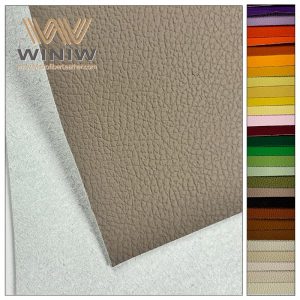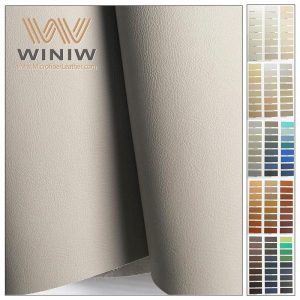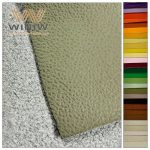
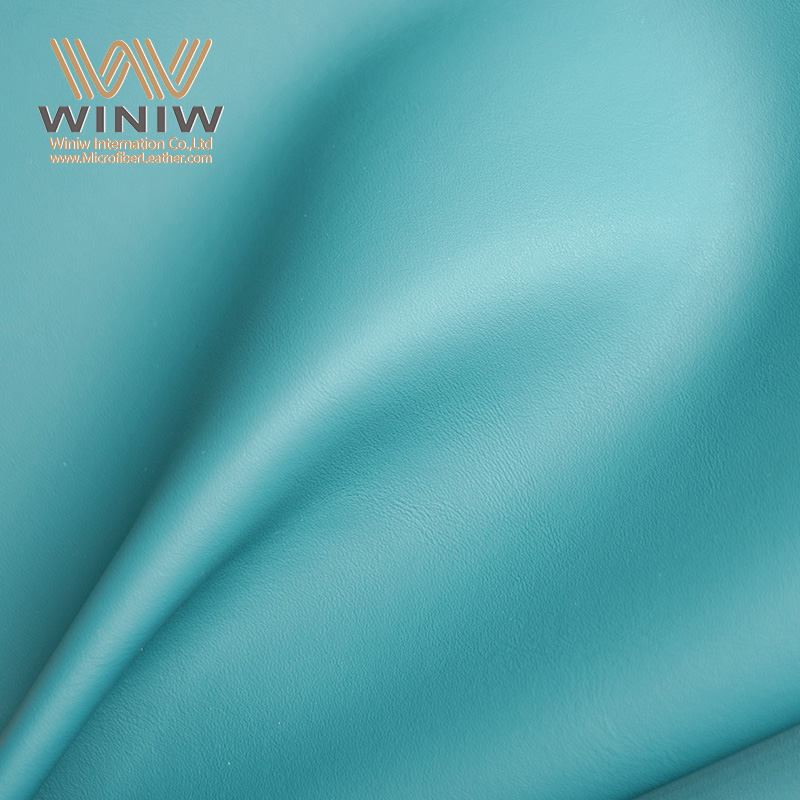
I define artificial leather as a man-made material designed to look and feel like real leather. Many people, including myself, use it in jackets, shoes, sofas, and bags. I often choose leather alternatives because they cost less, offer more styles, and raise fewer animal welfare concerns.
I believe understanding these materials helps me make smarter, more ethical choices when I shop.
Key Takeaways
- Artificial leather is a man-made material that mimics the look and feel of real leather, often made from PVC or PU.
- Choosing artificial leather can save money while offering a variety of styles and colors, making it a popular choice for fashion and home decor.
- Faux leather is easier to maintain than real leather, requiring only a damp cloth for cleaning, which makes it practical for everyday use.
- Understanding the differences between types of synthetic leather, like PVC and PU, helps consumers select the best option for their needs.
- Artificial leather is generally more affordable than genuine leather, making it accessible for budget-conscious shoppers.
- While faux leather is animal-friendly, its production can involve harmful chemicals, raising environmental concerns.
- Identifying artificial leather involves checking for uniform patterns, smooth edges, and a plastic-like smell, which can help consumers make informed choices.
- The market for artificial leather is growing due to increasing demand for ethical and sustainable alternatives in fashion and upholstery.
Artificial Leather Overview
What Is Artificial Leather
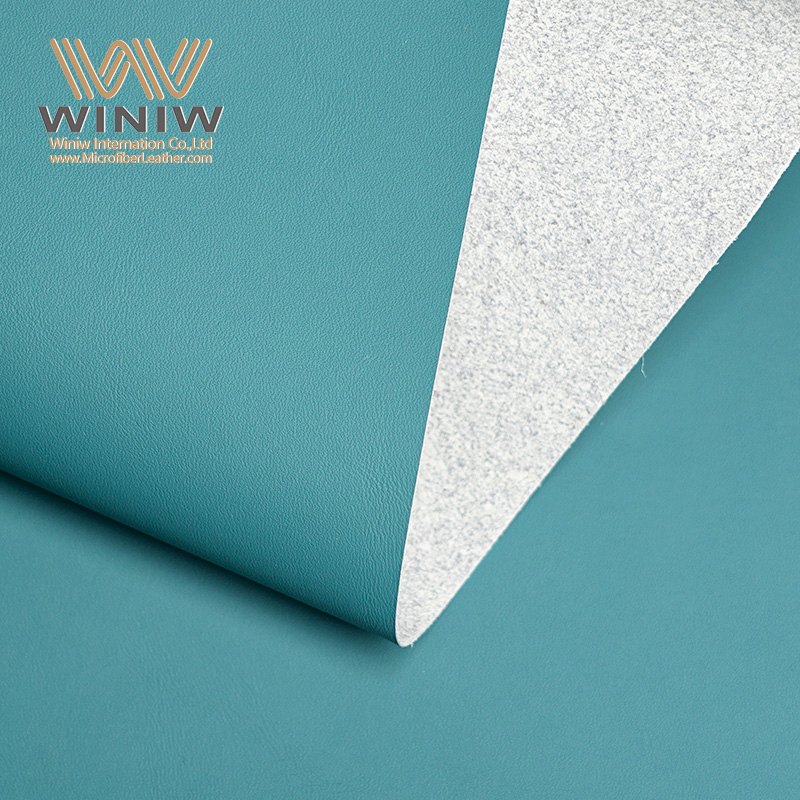
When I first learned about artificial leather, I discovered that it is a man-made material designed to look and feel like real leather. I often see it described as a laminate or composite material. Manufacturers usually create it by coating textile fabrics with polymers such as PVC (polyvinyl chloride) or PU (polyurethane). This process gives the material its leather-like appearance and texture. I find artificial leather in many industries, especially textiles and chemicals, because it offers a practical and affordable alternative to genuine leather.
| Characteristic | Description |
|---|---|
| Definition | Artificial leather is characterized as laminates or composite materials, often made by coating textile fabrics with polymers like PVC or PU. |
| Industries | It is a product of both the textile and chemical industries. |
I notice that artificial leather comes in a wide range of patterns and colors. This variety allows me to choose products that match my style without spending as much as I would on real leather. Many people, including myself, use it for decorative purposes, such as wall coverings, furniture, and fashion accessories. I appreciate that it closely imitates the look of genuine leather while remaining cost-effective.
Key Features
I often compare artificial leather to natural leather to understand their differences. Artificial leather usually has a consistent look and feel. The surface appears smooth and uniform, which makes it easy to clean. I notice that the edges of faux leather products look perfect and sometimes have a foamy or plastic quality. The pores on the surface follow a regular pattern, unlike the unique variations I see in real leather.
Here is a table that helps me compare artificial leather and natural leather:
| Characteristic | Artificial Leather (Faux) | Natural Leather (Real) |
|---|---|---|
| Quality | Generally lower quality | Higher quality |
| Durability | Shorter lifespan | Longer lifespan |
| Appearance | Consistent look | Unique variations |
| Edges | Perfect, foamy/plastic | Rough, natural edges |
| Pores | Consistent pattern | Inconsistent pattern |
| Feel | Smooth, plastic-like | Soft, flexible |
| Smell | Smells like plastic | Distinct leather smell |
| Environmental Impact | Non-recyclable | Natural product |
I find that faux leather products often last for a shorter time than real leather. They also tend to have a plastic-like smell. However, I like that they are easy to maintain and do not require special care. Many people, including myself, choose faux leather because it offers a consistent appearance and is available in many styles.
Tip: I always check the edges and surface pattern when I want to identify artificial leather. Consistency usually means it is faux.
Faux Leather and Other Terms
When I shop for leather alternatives, I see many different terms. Faux leather is the most common name I encounter. This term covers any leather-like material that contains no animal skin. I also see labels such as synthetic leather, vegan leather, artificial leather, and pleather (which stands for plastic leather). In the fashion and furniture industries, I often find products called PU leather or leatherette. Ultrasuede is another name I see, especially for soft, suede-like materials.
- PU Leather
- Leatherette
- Synthetic Leather
- Ultrasuede
- Faux Leather
- Pleather (plastic leather)
- Artificial Leather
I have noticed that most vegan leather alternatives use polyurethane (PU) or polyvinyl chloride (PVC) as their main materials. These terms can sometimes confuse shoppers, but I always remember that faux leather means no animal products. I find that using these terms helps me make informed choices, especially when I want to avoid animal-based materials.
Types of Synthetic Leather
When I shop for leather alternatives, I often see several main types of synthetic leather. Each type has its own materials, features, and best uses. I want to share what I have learned about the most common options.
PVC Artificial Leather
I notice that pvc artificial leather appears everywhere, from shoes to sofas. Manufacturers create it by mixing PVC resin with additives like plasticizers, stabilizers, fillers, and pigments. They then process this mixture through coating, embossing, and printing techniques. This method gives pvc artificial leather a soft texture and strong wear resistance. I find it easy to clean and very water-resistant, which makes it perfect for heavy-duty uses.
Here is a table that helps me understand the materials and their roles:
| Material | Properties |
|---|---|
| PVC Resin | Adds strength and elasticity |
| Plasticizers | Make the material flexible |
| Stabilizers | Prevent damage from heat and light |
| Fillers | Change the look and feel |
| Pigments | Give color and improve appearance |
I often choose pvc artificial leather for items that need to last, like bags, furniture, and industrial accessories. I also see it used in clothing and footwear. Its ability to mimic real leather while staying affordable makes it a popular choice. In fact, the pvc-based segment holds the largest share of the global synthetic leather market.
Tip: I always check for a smooth, shiny surface and a plastic-like smell when I want to spot pvc artificial leather.
PU Synthetic Leather
I find pu synthetic leather in many fashion items and comfort-oriented furniture. Manufacturers make it with polyurethane, which gives it a softer and more flexible feel than pvc artificial leather. I like that pu synthetic leather feels more natural and breathable. It works well for jackets, shoes, and car seats where comfort matters.
Here is a table that compares pu synthetic leather and pvc artificial leather:
| Characteristic | PU Synthetic Leather | PVC Artificial Leather |
|---|---|---|
| Composition | Polyurethane | Polyvinyl Chloride |
| Flexibility | More flexible, softer | Tougher, less flexible |
| Breathability | Breathable | Less breathable |
| Durability | Good, may peel over time | Highly durable, abrasion-resistant |
| Water Resistance | Water-resistant | Very water-resistant |
| Common Uses | Fashion, comfort furniture | Heavy-duty applications |
I notice that pu synthetic leather dominates the market in terms of revenue. I often pick it when I want a stylish look and a comfortable feel. I also appreciate that it comes in many colors and textures.
Note: I always touch the surface to check for softness and flexibility. If it feels more like real leather, it is likely pu synthetic leather.
Microfiber and Other Types
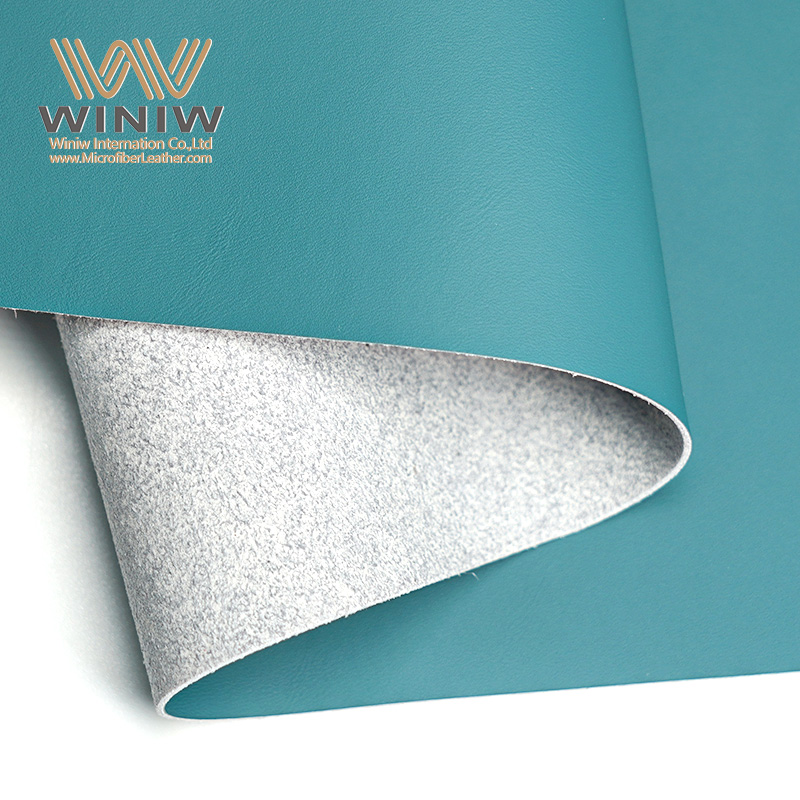
Recently, I have seen more microfiber synthetic leather products. Manufacturers use ultra-fine fibers to create microfiber, which closely mimics the look and feel of genuine leather. I like that microfiber synthetic leather is more durable and easier to clean than other types. It also offers a cruelty-free and vegetarian option for those who care about animal welfare.
Here is a table that shows how microfiber compares to genuine leather:
| Feature | Microfiber Leather | Genuine Leather |
|---|---|---|
| Durability | More durable, wear-resistant | Develops patina over time |
| Maintenance | Easy to clean | Needs special care |
| Aesthetic Appeal | Mimics real leather | Unique texture |
| Ethics | Cruelty-free | Animal-based |
| Cost | More affordable | More expensive |
| Environmental Impact | Petrochemical concerns | Depends on sourcing |
I also see other types like bio-based and water-based synthetic leather. These newer options use plant-based or water-based materials, which can reduce environmental impact. I believe the variety of synthetic leather types gives me more choices for style, price, and ethics.
I always check product labels for terms like when I want something different from traditional pvc artificial leather or pu synthetic leather.
How Synthetic Leather Is Made
Materials Used
When I look at synthetic leather products, I always wonder what goes into making them. Manufacturers rely on several key raw materials to create these leather alternatives. I often see polyurethane (PU) and polyvinyl chloride (PVC) listed as the main ingredients. These materials come from petrochemical sources and help give synthetic leather its flexibility and durability. I also notice that backer materials play an important role. Most backers use polyamide or polyester, which add structure and strength to the final product.
Here is a table that summarizes the most common raw materials:
| Raw Material | Description |
|---|---|
| Polyurethane (PU) | A key component mixed with solvents to create PU resin for synthetic leather. |
| Polyvinyl Chloride (PVC) | Another common petrochemical-derived material used in synthetic leathers. |
| Backer Materials | Typically made from polyamide or polyester, providing structure to the synthetic leather. |
I find that the choice of materials affects the texture, flexibility, and price of the finished product. When I shop for synthetic leather, I always check the label to see which materials were used.
Production Process
I have learned that making synthetic leather involves several steps. Manufacturers start by preparing the base fabric, usually polyester or polyamide. They then coat this fabric with a layer of PU or PVC. The coating process uses rollers or spreaders to apply the polymer evenly. After coating, the material goes through embossing, which creates a leather-like texture. Some factories use printing techniques to add patterns or colors.
The process looks like this:
- Prepare the base fabric (polyester or polyamide).
- Mix and apply PU or PVC resin to the fabric.
- Emboss the surface to mimic real leather texture.
- Print patterns or colors if needed.
- Cure and finish the material for durability.
I find that each step helps improve the look and feel of synthetic leather. The final product often looks very similar to genuine leather, especially after embossing and finishing.
Tip: I always check for uniform texture and color. These features often mean the product was made with advanced coating and embossing techniques.
Environmental Impact
I care about sustainability, so I pay close attention to the environmental impact of synthetic leather. I have found that vegan leather does not involve livestock, which means it avoids agricultural land use, deforestation, and animal deaths. It also produces lower carbon emissions than real leather. For example, synthetic leather generates about 15.8 kg of carbon emissions per square meter, while real leather produces 17.0 kg.
However, I have learned that synthetic leather production relies heavily on chemicals, especially PVC and PU. These chemicals can pollute the environment. When synthetic leather breaks down, it releases phthalates and toxic particles, which can harm animals and ecosystems. I also notice that synthetic leather is not biodegradable. Products often wear out faster than real leather, so I see more waste generated from replacements.
Here is a table that compares the environmental impact of synthetic and real leather:
| Aspect | Synthetic Leather (Vegan) | Real Leather |
|---|---|---|
| Livestock Involvement | No | Yes |
| Carbon Emissions | 15.8 kg/m² | 17.0 kg/m² |
| Chemical Pollution | High (PVC, PU) | Lower |
| Biodegradability | Not biodegradable | Partly biodegradable |
| Durability | Less durable | More durable |
| Waste Generation | Higher due to replacements | Lower due to longevity |
- Vegan leather does not contribute to agricultural land use, deforestation, or animal deaths.
- It has lower carbon emissions compared to real leather.
- The production of vegan leather is chemical-heavy, particularly with PVC, which is highly polluting.
- Vegan leather releases phthalates and toxic particles when decomposing, affecting the environment and animal health.
- It tends to be less durable than real leather, leading to more waste when replacements are needed.
I always consider these factors when choosing between synthetic and real leather. I believe that understanding the environmental impact helps me make better choices for myself and the planet.
Uses of Artificial Leather
Fashion and Apparel
I see faux leather everywhere in fashion. I often choose faux jackets, pants, and skirts because they look stylish and feel comfortable. Faux boots and shoes fill the shelves at my favorite stores. I like that faux handbags and belts come in many colors and textures. Faux leather alternatives let me try bold designs without spending much. I notice that vegan leather brands offer cruelty-free options for people who care about animal welfare. Faux clothing feels lighter than real leather, so I wear it in different seasons. Faux accessories add a modern touch to my outfits. I find that faux leather alternatives help me express my style while staying on budget.
| Fashion Item | Faux Leather Use | Why I Choose It |
|---|---|---|
| Jackets | Stylish, lightweight | Affordable, trendy |
| Shoes/Boots | Durable, flexible | Easy to clean |
| Bags/Belts | Variety of colors | Cruelty-free options |
| Skirts/Pants | Soft, comfortable | Versatile for seasons |
Tip: I always check the label for vegan leather when I want a guilt-free fashion choice.
Furniture and Upholstery
I often see faux leather on sofas and chairs in homes and offices. Faux upholstery gives furniture a luxurious look without the high price. Faux ottomans and benches add elegance to living rooms. Faux leather alternatives work well for busy households because they resist stains and spills. I like that faux furniture stays beautiful for years with simple cleaning. Faux materials feel soft and comfortable when I sit down. Faux leather alternatives make it easy to match my furniture with my décor.
- Faux leather is a versatile choice for furniture upholstery.
- I see it used to upholster sofas, chairs, ottomans, and other furniture pieces.
- Its luxurious appearance adds sophistication to interior spaces.
- Durability ensures long-lasting beauty and comfort.
I notice that faux leather alternatives come in many patterns and colors. Faux materials help me create a cozy atmosphere at home. Faux furniture fits my budget and style.
Automotive and Other Uses
I find faux leather in many cars. Faux seats and steering wheel covers look sleek and feel smooth. Faux interiors resist wear and tear from daily use. Faux leather alternatives help car makers offer stylish designs at lower costs. Faux materials make cleaning easy after road trips. Faux dashboards and door panels add a modern touch to vehicles. I see faux leather in boats and RVs because it stands up to moisture and sunlight.
Faux leather alternatives also appear in sports equipment. Faux balls and gloves last through many games. Faux book covers and tech accessories protect my devices. Faux camera bags and travel gear keep my belongings safe. Faux leather alternatives give me choices for every part of my life.
Note: I always choose faux products for my car and gear when I want durability and easy care.
Artificial vs. Real Leather
Appearance and Feel
When I compare real leather to its alternatives, I notice differences in both appearance and feel. Real leather often has a unique grain pattern and a soft, flexible touch. Each piece looks slightly different, which gives it character. When I touch real leather, it feels warm and smooth. The smell is also distinct and natural.
Faux leather, on the other hand, usually looks more uniform. The surface feels smoother and sometimes a bit plastic-like. I find that faux leather can mimic the look of real leather very well, especially with modern manufacturing techniques. However, when I run my hand over it, I can tell the difference. Faux leather does not develop the same patina or softness over time. For me, the choice often depends on whether I want a consistent look or a unique, natural texture.
Durability and Care
Durability matters a lot to me when I buy leather goods. Real leather products can last for decades if I care for them properly. They resist wear and tear and often look better as they age. Faux leather items, however, tend to have a shorter lifespan. Most of my faux leather accessories last less than five years before they start to crack or peel.
Here is a table that shows the average lifespan of each type:
| Type of Leather | Average Lifespan |
|---|---|
| Real Leather | Decades |
| Faux Leather | Less than 5 years |
When it comes to care, I find faux leather easier to clean. I can wipe it with a damp cloth, and stains rarely set in. Real leather needs more attention. I use special cleaners and conditioners to keep it soft and prevent drying out. If I want something low-maintenance, faux leather works well. If I want something that lasts, I choose real leather.
Cost and Ethics
Cost plays a big role in my decision. I see that synthetic leather is generally more affordable than genuine leather, which influences consumer preferences. The genuine leather segment held a market share of approximately 53.6% in 2022. The attractiveness of synthetic leather in design contributes to its growing demand.
- Synthetic leather is expected to be the fastest-growing segment in the leather goods market due to its cost-effectiveness and versatility.
- Advancements in production technology have improved the quality and durability of synthetic leather, making it a viable alternative to genuine leather.
- The affordability of synthetic leather aligns with current sustainability trends, enhancing its appeal to consumers.
- The versatility of synthetic leather products contributes to their increasing popularity in major consumer markets.
Ethics also influence my choices. I think about animal welfare and environmental impact before I buy.
Ethical considerations play a significant role in the choice between artificial and real leather. Real leather production often raises concerns regarding animal welfare, as it directly involves animal sourcing. The ethical implications of using animal products for fashion and upholstery are a key consideration for many consumers.
Conversely, while artificial leather avoids animal-based materials, its production can involve chemicals and processes that raise environmental and health concerns. The use of plastics and potentially harmful substances in some artificial leathers has led to questions about their sustainability and impact on the ecosystem.
When I shop, I weigh the lower price and animal-friendly aspects of faux leather against its shorter lifespan and possible environmental issues. My final choice depends on what matters most to me at the time.
Pros and Cons of Faux Leather
Advantages
When I shop for faux leather products, I notice several benefits that make them stand out. I often choose faux leather because it is animal-friendly. No animals are harmed during the production process, which aligns with my values. I also appreciate that faux leather uses less water compared to real leather. This makes me feel better about my environmental impact.
I find that faux leather offers eco-friendly options. Some brands use plant-based or recycled materials, which provide sustainable alternatives. Affordability is another reason I pick faux leather. It costs much less than real leather, so I can buy stylish items without breaking my budget. I see faux leather in many colors, textures, and finishes. This design versatility lets me customize my wardrobe and home décor.
Faux leather resists UV rays, which helps my furniture and accessories last longer in sunny rooms. I also enjoy how easy faux leather is to maintain. I can wipe away stains with a damp cloth, and the material stays looking fresh. These benefits of faux leather make it a practical choice for many uses.
Here is a table that summarizes the main advantages I have experienced:
| Advantage | Description |
|---|---|
| Animal-Friendly | No animals are harmed during the production of synthetic leather. |
| Water Efficiency | Producing faux leather consumes significantly less water compared to real leather. |
| Eco-Friendly Options | Plant-based and recycled faux leather provide sustainable alternatives made from organic materials. |
| Affordability | Faux leather is much cheaper than real leather, making it an accessible option for budget-conscious consumers. |
| UV Resistance | Synthetic leather is resistant to UV rays. |
| Easy Maintenance | Faux leather is water-resistant, stain-resistant, and simple to clean. Mild stains can often be wiped away with a damp cloth. |
| Design Versatility | Available in a wide range of colors, textures, and finishes, faux leather offers greater flexibility for design and customization. |
Tip: I always look for faux leather when I want a stylish, affordable, and easy-to-care-for product.
Disadvantages
While I enjoy many aspects of faux leather, I have noticed some drawbacks of faux leather that affect my choices. Faux leather is not easily upcycled, and it often ends up in landfills. The production process uses chemicals that can harm the environment. I worry about the long-term impact of these materials.
Durability is another concern for me. Faux leather does not last as long as real leather. I have seen my faux bags and shoes start to peel or crack within a year. Moisture can get trapped inside, which causes more damage over time. Breathability is also limited. Faux leather feels less comfortable in hot weather because the plastic coating does not allow air to pass through.
I have sensitive skin, so I pay attention to hypoallergenic properties. Faux leather is not hypoallergenic, and it can cause irritation for people with allergies. These disadvantages of faux leather make me think carefully before buying certain products.
Here is a table that highlights the most common disadvantages I have experienced:
| Disadvantage | Description |
|---|---|
| Environmental Impact | Faux leather is not easily upcycled and contributes to landfill waste, with harmful chemicals used in production. |
| Durability | It is less durable than real leather, prone to peeling and moisture retention within a year. |
| Breathability | Unlike real leather, faux leather is not breathable due to its plastic coating. |
| Hypoallergenic Properties | Faux leather is not hypoallergenic, posing risks for those with sensitive skin or allergies. |
Note: I always check the quality and care instructions before buying faux leather to avoid disappointment.
Choosing Artificial Leather
Identification Tips
When I shop for artificial leather, I always want to make sure I know what I am buying. I have learned a few simple ways to tell artificial leather apart from real leather. First, I check the surface pattern. Artificial leather usually has a very regular and even grain. Real leather often shows natural imperfections and unique patterns. I also touch the material. Artificial leather feels smoother and sometimes a bit plastic-like. Real leather feels warmer and softer.
<