When I select leather for shoes, bags, or jackets, I focus on durability, appearance, and care. Full-grain leather stands out for its water resistance and long lifespan, making it ideal for everyday use. Nubuck Leather, with its refined grain structure, offers higher durability than suede but needs gentle care. Suede feels softer but absorbs moisture easily and demands frequent brushing.
The global leather goods market segments products by suede, Nubuck, and full-grain types, reflecting their popularity and diverse uses.
| Feature | Nubuck | Suede |
|---|---|---|
| Durability | Higher | Lower |
| Water Resistance | Moderate | Low |
| Maintenance | Delicate care | Regular brushing |
I recommend considering style, maintenance preferences, budget, and intended use before choosing your leather type.
Key Takeaways
- Full-grain leather is the most durable option, ideal for high-quality shoes and bags that withstand daily use.
- Nubuck leather offers a luxurious feel and is more durable than suede, making it suitable for stylish footwear and accessories.
- Suede is soft and comfortable but requires more maintenance and is less durable, making it best for casual wear and accessories.
- Consider your lifestyle and how much care you are willing to provide when choosing between nubuck, suede, and full-grain leather.
- Nubuck and suede both need special care; nubuck requires gentle cleaning and waterproofing, while suede needs regular brushing and stain protection.
- Full-grain leather develops a unique patina over time, enhancing its appearance and character, while nubuck and suede also age beautifully but require more attention.
- When selecting leather, think about the product nubuck leather requires careful handling, and suede needs proper care to avoid stains. Water resistance varies, with nubuck leather offering moderate protection and suede providing low resistance. Breathability and practicality also play a role. Nubuck leather is good for upscale products, while suede excels in everyday wear.
Factor Nubuck Suede Appearance Luxurious and refined Soft and plush Texture Velvety and soft Extremely soft Maintenance Requires careful handling Needs proper care Water Resistance Moderate Low Breathability Moderate High Practicality Good for upscale products Excellent for everyday wear Tip: I always ask myself how much maintenance I am willing to do and how often I plan to use the item. If I want a product that lasts and looks better with age, I choose full-grain leather. For a balance of style and durability, I go with nubuck leather. If comfort and a soft touch are my priorities, suede is the best option.
Full-Grain Leather
Features
When I work with full-grain leather, I always appreciate its authenticity and strength. This type of leather comes from the top layer of the hide and keeps the natural grain intact. The production process involves several steps that preserve its unique qualities:
- Rawhide preparation: I start by cleaning the hide, removing hair and impurities.
- Tanning: I use tannins to treat the hide, which helps prevent decay and ensures a consistent color.
- Drying and conditioning: The leather is dried and conditioned, making it soft and flexible.
- Finishing: I apply minimal finishing to maintain the natural grain pattern, sometimes adding a light surface treatment.
- Quality control and cutting: I inspect the leather for imperfections and cut it into shapes for products.
Full-grain leather stands out because it does not undergo sanding or buffing. This means it retains all its natural markings, such as scars and wrinkles, which add character. Over time, I notice that it develops a rich patina, making each item unique. The tight grain structure gives it impressive durability and breathability, which I value in high-quality goods.
Characteristic Description Unaltered surface Natural grain, visible scars, and wrinkles Durability Extremely strong and long-lasting Patina development Gains a beautiful, rich patina with age Breathability Allows air to pass through, keeping items comfortable Strength Most robust part of the hide, resists wear and tear Pros
I often recommend full-grain leather for its many advantages:
- Exceptional durability: It lasts for years, even decades, with proper care.
- Beautiful aging: The leather develops a unique patina, becoming more attractive over time.
- Minimal maintenance: Regular cleaning and occasional conditioning keep it in top shape.
- Unique appearance: Each piece looks different, thanks to natural grain and markings.
- Environmental benefit: Its longevity means fewer replacements, which supports sustainability.
Full-grain leather also naturally repels moisture when conditioned, so it stays strong and attractive as it ages.
Cons
Despite its strengths, full-grain leather has some drawbacks that I always consider:
- High cost: The quality and durability come with a higher price tag.
- Maintenance: It needs regular conditioning to preserve its look and feel.
- Natural imperfections: Some people dislike the visible scars and marks.
- Stain resistance: It is less resistant to stains compared to other types.
- Manufacturing difficulty: Its thickness can make it harder to work with during production.
Tip: I always weigh these pros and cons before choosing full-grain leather for a project. The investment pays off if I want a product that lasts and gains character with age.
Uses
When I select full-grain leather for a project, I always consider its versatility and reputation for durability. This type of leather stands out in the market because it adapts to a wide range of products. I see designers and manufacturers choose full-grain leather for items that require strength, longevity, and a premium appearance.
I often recommend full-grain leather for bags. Sling bags, totes, and briefcases benefit from the material’s ability to withstand daily wear. The leather maintains its shape and resists stretching, which keeps these bags looking professional and elegant over time. I notice that the natural grain adds character, making each bag unique.
Footwear is another area where full-grain leather excels. Dress shoes, work boots, and sandals made from this leather offer superior comfort and support. I find that the tight grain structure provides excellent resistance to scuffs and moisture. When I wear full-grain leather shoes, I appreciate how they mold to my feet and develop a rich patina with age.
Wallets and accessories also showcase the strengths of full-grain leather. Key cases and laptop sleeves crafted from this material feel sturdy and luxurious. I value the way the leather protects my belongings while maintaining a refined look. The durability ensures that these accessories last for years, even with frequent use.
Belts and watch straps made from full-grain leather combine style with resilience. I choose these items when I want a classic appearance that does not fade. The leather holds up well against bending and friction, which keeps belts and straps looking sharp.
In the world of furniture and home decor, full-grain leather brings a touch of luxury. Sofas, chairs, and decorative pieces crafted from this leather age gracefully. I enjoy how the leather develops a unique patina, adding warmth and sophistication to any space. The material’s breathability and strength make it ideal for high-end furniture that sees regular use.
Tip: I always advise clients to invest in full-grain leather products when they want items that improve with age and handle daily challenges. The material’s natural beauty and durability make it a top choice for those who value quality and longevity.
Common Uses for Full-Grain Leather:
- Bags: sling bags, totes, briefcases
- Footwear: dress shoes, work boots, sandals
- Wallets and accessories: key cases, laptop sleeves
- Belts and watch straps
- Furniture and home decor: sofas, chairs, decorative pieces
I believe full-grain leather offers unmatched performance across these categories. Its ability to resist wear, develop character, and maintain comfort sets it apart from other types of leather. When I want a product that stands the test of time, I always reach for full-grain leather.
Nubuck Leather
Features
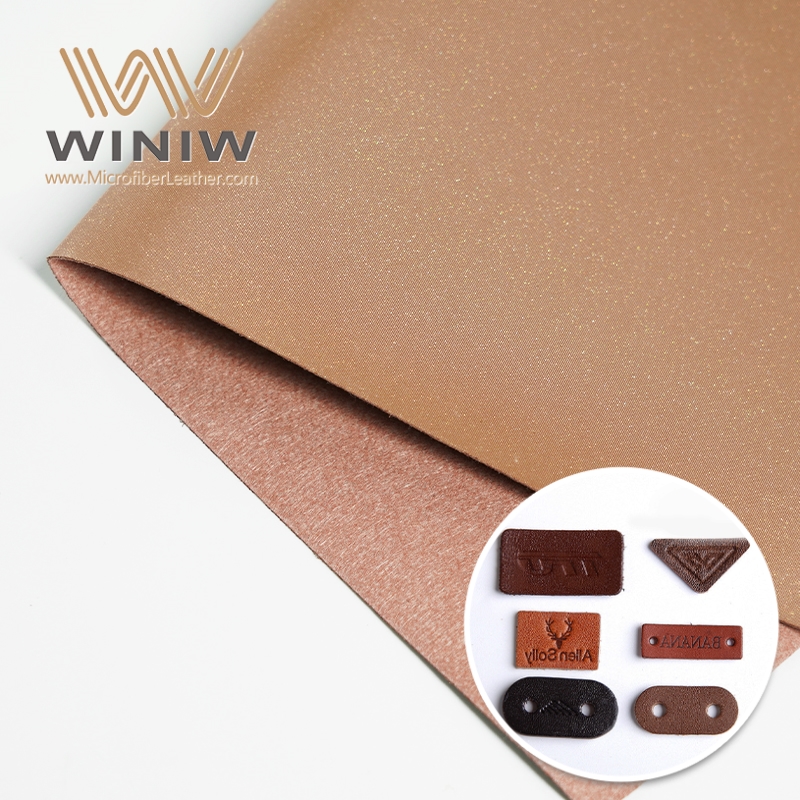
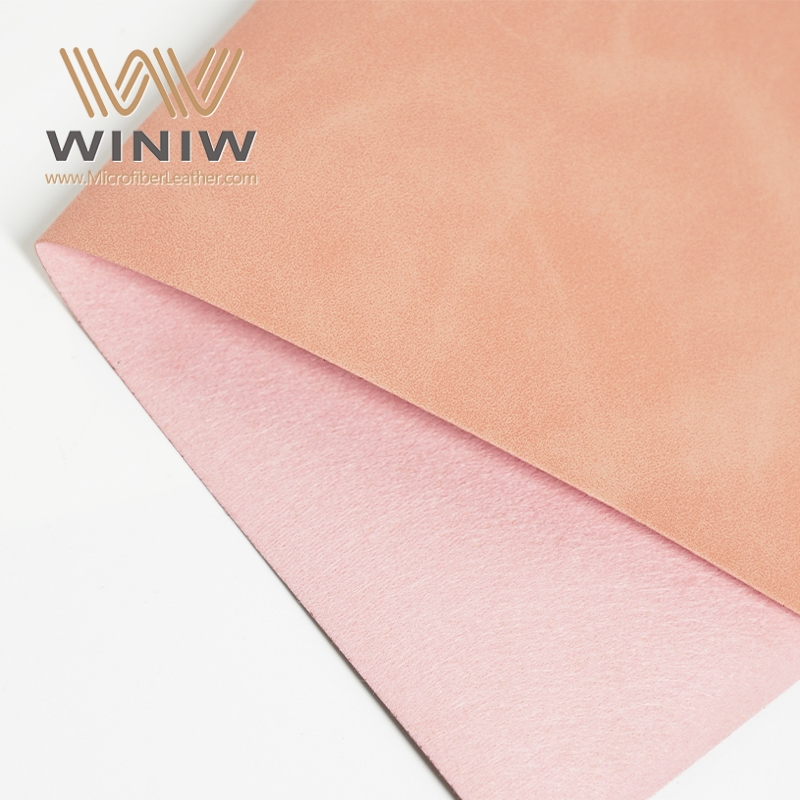
When I select nubuck leather for a project, I always appreciate its unique combination of durability and luxury. Manufacturers create nubuck by sanding the outer surface of the hide. This process produces a soft, velvety texture that feels buttery-smooth to the touch. The fine nap gives nubuck a plush, matte finish, which enhances its natural look and makes it stand out in fashion and accessories.
- Nubuck leather features a soft, velvety surface with a suede-like appearance.
- The delicate sanding creates a fine nap that feels luxurious and smooth.
- The material develops a beautiful patina over time, adding character to each item.
- Nubuck is made from top-grain leather, which retains the natural fiber structure and increases durability.
- The plush appearance adds opulence to products, making them desirable in luxury markets.
I notice that nubuck leather offers a balance between strength and elegance. It is more durable than suede because it keeps the integrity of the hide’s outer layer. However, it does not match the longevity of full-grain leather, which remains the gold standard for durability.
Pros
I often recommend nubuck leather for clients who want both style and resilience. The benefits of nubuck make it a popular choice in high-end fashion and accessories.
- Nubuck provides enhanced durability, thanks to its origin from the outer layer of the hide.
- The velvet-like surface adds aesthetic appeal, resembling suede but with greater strength.
- Nubuck withstands daily wear and tear while maintaining its appearance.
- The material is incredibly soft, offering comfort in shoes, bags, and jackets.
- Nubuck allows for better air circulation than synthetic leathers, which improves comfort.
- The high-end look makes nubuck leather a favored choice for luxury goods.
- Nubuck does not require frequent care, unlike many other types of leather.
- The softness and breathability contribute to a consistently comfortable wearing experience.
- Made from top-grain leather, nubuck is more resilient than suede and other lower-quality leathers.
I find that nubuck leather excels in products where both comfort and style matter. Its plush texture and durability make it ideal for upscale footwear, bags, and jackets.
Cons
Despite its strengths, nubuck leather presents several challenges that I always discuss with clients. The care of nubuck requires attention and specialized products.
- Nubuck is very prone to stains and water damage due to its porous surface. Immediate treatment for spills is necessary.
- The care of nubuck involves regular brushing and the use of specialized cleaners to maintain its appearance.
- Nubuck is less durable than full-grain leather and can be prone to scuffs and abrasions, especially in high-wear areas.
- Extreme weather can negatively impact nubuck, leading to drying or mold issues. I avoid using nubuck in harsh climates.
- Nubuck leather is generally more expensive because of the processing required, which can deter budget-conscious buyers.
I always advise clients to weigh these drawbacks against the benefits. Nubuck leather offers luxury and comfort, but it demands careful maintenance and thoughtful use.
Uses
When I choose nubuck leather for a project, I always consider its versatility and appeal across many product categories. This material stands out in luxury fashion, where designers value its velvety texture and refined appearance. I often see nubuck leather featured in high-end footwear, accessories, clothing, and even furniture. Its unique qualities make it a favorite for both style and function.
I have worked with nubuck leather in several types of footwear. Luxury shoes and hiking boots benefit from its combination of softness and durability. Brands like Timberland and Birkenstock use nubuck leather in their hiking shoes and sandals, providing comfort and resilience for outdoor activities. Ugg boots also showcase the plush feel of this material, making them popular for both warmth and style.
Accessories represent another area where nubuck leather excels. I often recommend it for handbags and wallets because it offers a sophisticated look and a pleasant touch. Mobile phone covers crafted from nubuck leather add a premium feel while protecting devices from scratches. Bags made from this material hold their shape and develop a beautiful patina over time, which enhances their character.
In clothing, I find nubuck leather ideal for jackets and trousers. The material provides a soft, comfortable fit while maintaining a polished appearance. Jackets made from nubuck leather offer a luxurious alternative to traditional leather, with a matte finish that stands out in any wardrobe. Trousers crafted from this leather combine flexibility with a high-end look, making them suitable for both casual and formal settings.
Furniture makers also turn to nubuck leather for upholstery. Sofas and chairs covered in this material bring a touch of elegance to living spaces. The leather’s soft surface invites relaxation, while its durability ensures that furniture remains attractive for years. Car interiors often feature nubuck leather as well, adding comfort and sophistication to the driving experience.
I have seen nubuck leather used in gloves and as reinforcements for clothing, especially in areas that require extra strength. Mountaineering boots often include nubuck leather panels for added support and abrasion resistance. These applications highlight the material’s balance of comfort and toughness.
Tip: I always advise clients to consider nubuck leather when they want products that blend luxury with everyday practicality. Its versatility makes it suitable for a wide range of uses, from fashion to home decor.
Suede
Features
When I work with suede, I always notice its distinct texture and appearance. Suede is produced from the underside of animal hides. Manufacturers split the hide into layers, reserving the top layer for full-grain leather and using the underside for suede. They sand and brush this inner layer, which creates a soft, velvety surface. This process enhances the flexibility and lightweight nature of the material. I find that suede feels much softer and more pliable than other types of leather. The tanning, buffing, and sanding steps give suede its signature plush texture and lightweight feel.
- The hide is split, with the underside used for suede.
- Sanding and brushing create a velvety, soft surface.
- Suede is lightweight and flexible, making it comfortable for daily wear.
- The material offers natural breathability, which I appreciate in warm weather footwear.
- Suede stands out for its plush, napped finish, setting it apart from nubuck and full-grain leather.
I often choose suede when I want a material that feels gentle against the skin and adds visual depth to accessories or clothing.
Pros
I recommend suede for clients who prioritize comfort and style. The soft texture provides immediate comfort, so there is no long break-in period. Suede is lightweight, which reduces fatigue during all-day wear. I notice that the material breathes well, keeping feet cooler and more comfortable. Suede molds to the foot over time, creating a personalized fit. The versatility of suede allows me to pair it with casual or formal outfits. Its unique appearance adds texture and depth, enhancing the overall style of any ensemble.
- Soft to the touch, offering instant comfort.
- Lightweight, ideal for extended wear.
- Breathable, keeping feet cool.
- Versatile, suitable for many outfit styles.
- Molds to the foot, ensuring a snug fit.
- Distinctive appearance, making bold fashion statements.
- Velvety surface adds sophistication and refinement.
I often select suede shoes and jackets when I want to make a statement or add a luxurious touch to my wardrobe.
Cons
Despite its advantages, suede presents several challenges. The material absorbs moisture easily, which can lead to water damage and stains. I must treat spills immediately to prevent lasting marks. The softness of suede makes it more susceptible to scratches and wear, especially in high-friction areas. Proper care is essential, including regular brushing and protection from harsh elements. I find that maintaining the appearance of suede requires more attention than other types of leather.
- Sensitive to water and stains, requiring prompt care.
- Prone to scratches and wear over time.
- Needs regular brushing and maintenance.
- Less durable than nubuck and full-grain leather.
- Not ideal for harsh weather or rugged use.
Tip: I always advise clients to use protective sprays and store suede items away from moisture. Regular care helps preserve the material’s beauty and extends its lifespan.
Uses
When I select suede leather for a project, I always consider its versatility and appeal across fashion and accessories. Designers and manufacturers favor suede for its luxurious texture and softness. I notice that suede jackets remain a popular choice in the fashion world. These jackets provide a plush feel and elevate any outfit with their elegant appearance. Suede boots also stand out in both men’s and women’s collections. They offer comfort and style, making them suitable for casual and formal occasions.
I often recommend suede for accessories. Handbags, backpacks, belts, and wallets crafted from suede add a touch of luxury to everyday items. The material’s softness and ability to hold vibrant colors make these products visually striking. Suede adapts well to different shapes and sizes, which allows designers to experiment with creative designs.
Product Type Description Suede Jackets Popular fashion choice, providing a luxurious texture and softness. Suede Boots Commonly made for both men and women, offering comfort and style. Accessories Includes handbags, backpacks, belts, and wallets, enhancing luxury appeal. I see suede leather used in high-end footwear, such as loafers, trainers, heels, flats, and Chelsea boots. These shoes combine luxury with comfort. The breathability of suede keeps feet cool in various climates. I appreciate how easy it is to dye suede, which allows for a wide range of colors and finishes. This flexibility helps brands create unique products that stand out in the market.
Clothing designers often use suede for soft linings in jackets, pants, and shirts. These linings add elegance and comfort. I find that suede works well for both outerwear and interior details. The material’s lightweight nature makes it ideal for garments that require flexibility and movement.
- Luxurious texture enhances the appeal of fashion items.
- Softness provides comfort in shoes, jackets, and accessories.
- Versatility allows for use in many product categories.
- Breathability ensures comfort in different climates.
- Easy dyeing process supports a wide range of colors.
I advise clients to choose suede leather when they want products that combine style, comfort, and a premium feel. Suede excels in fashion, footwear, and accessories. Its unique qualities make it a favorite among designers and consumers who value elegance and versatility.
Tip: I always suggest using protective sprays and proper storage to maintain the beauty of suede items. Regular care he