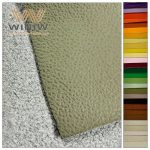

Have you ever thought about why your mattress feels so soft or why your sneakers last a long time? You use pu material every day, but you might not notice it. Polyurethane is a kind of plastic. It can be soft or hard. In 2025, flexible foam from polyurethane will be used in more than half of all consumer products.
- Flexible foam will make up 51.3% of the market in 2025.
You see this material everywhere because it is comfy, strong, and can be used in many ways.
Key Takeaways
- Polyurethane (PU) is a useful material. You can find it in things like furniture, shoes, and car seats. It makes these items comfortable and strong.
- PU insulation helps save energy. It keeps buildings warm in winter. It also keeps them cool in summer. This makes PU a good choice for the environment.
- In cars, PU makes seats and dashboards safer and more comfortable. It helps absorb shocks if there is an accident.
- PU is used in medical tools and devices. It meets strict safety rules. This helps make sure people are safe and comfortable in hospitals.
- Try to find eco-friendly PU products. These are made from recycled materials. They help protect the planet and lower harm to the environment.
What Is PU Material?
PU Material Basics
You can find polyurethane material in many things you use. Polyurethane is a plastic. It can be soft, hard, or bendy. You see it in foam cushions and shoe bottoms. It is also in insulation panels. Polyurethane material is special because it bends and stretches well. It is also stiff and strong. It can take hard hits and still work. It is very good at making things soft and comfy.
Here is a simple table about what makes polyurethane material special:
| Component Type | Description |
|---|---|
| Polyisocyanates | Main ingredient with strong chemical power. |
| Oligomer Polyols | Polyols with hydroxyl ends, like polyester, polyether, and polycaprolactone. |
| Toluene Diisocyanate | First isocyanate used in polyurethane, dries fast and is not very toxic. |
| Methylene Diphenyl Diisocyanate | Good for the environment and works well in factories. |
| Polyester Polyols | Make things strong but cost more money. |
| Polyether Polyols | Cheaper, easy to use, and work in cold places. |
| Polycaprolactone Polyols | Make things tough and water-resistant, but are pricey. |
How Polyurethane Is Made
Polyurethane material is made by mixing two main parts. These are polyisocyanates and polyols. Makers add special extras like foaming agents. These extras help make the product better. The way it is made lets you pick how soft or strong it is.
Factories use smart machines and computers to make it. This helps them work faster and waste less. It also makes the quality better. Polyurethane material can be made into foam, sheets, or coatings. It depends on what you need.
Why Polyurethane Matters
Polyurethane material is used in many jobs. People like it because it saves energy and is better for the planet. You see it in buildings because it is strong and keeps heat in. It also fills spaces between things, so it is useful in many ways.
Polyurethane is tougher than rubber and can hold heavy things. It does not wear out fast, even in bad weather. It also does not get ruined by chemicals or oil. This makes more people want to use it.
Making polyurethane can cause CO2 to go into the air, just like other materials that keep heat in. Some ways of making it use gases that are not good for the earth. But using polyurethane insulation saves a lot of energy over time. For every bit of energy used to make it, you can save up to 104 times more energy later.
PU Material Uses
Furniture and Bedding
Polyurethane is found in most homes and offices. Furniture makers use it for sofas, chairs, and mattresses. Flexible polyurethane foam gives comfort and support in cushions and beds. This material can be shaped easily. You get soft seats and beds that fit your body. It is also used in headboards and padded benches.
Here is a table that shows how pu material compares to traditional materials in furniture:
| Aspect | PU Foam | Traditional Materials (e.g., Memory Foam) |
|---|---|---|
| Cost | Usually cheaper and easy to find | Often costs more because of extra features |
| Durability | Can wear out faster, especially if not dense | Stays strong longer and keeps its shape better |
PU material is a good choice if you want furniture that is cheap and comfy. Many people like it because it is simple to clean. It comes in lots of colors and shapes. Polyurethane helps make your home feel cozy every day.

Construction Applications
Polyurethane is important in new buildings. You see it in insulation, glues, coatings, and sealants. Builders use polyurethane foam in walls, roofs, and attics. It helps keep buildings warm in winter and cool in summer. This saves energy and money.
Polyurethane foam keeps heat inside and blocks cold air. It fills gaps and cracks, stopping air from leaking. This makes your home use less energy.
Here are some ways polyurethane is used in construction:
- Insulation: Put in walls, roofs, and attics to save energy.
- Structural Strength: Makes building parts stronger and stick together.
- Waterproofing: Covers surfaces to stop water from getting in.
- Soundproofing: Soaks up sound to keep rooms quiet.
Polyurethane is also used in strong glues and coatings. These help protect buildings from bad weather, rust, and sun damage. Green building uses tough insulation and long-lasting materials to help the planet.

Automotive Applications
You use polyurethane every time you ride in a car. By 2025, almost 67% of car interiors will use pu material. Car seats, dashboards, and door panels have this material for comfort and safety.
- Polyurethane foam makes seats soft and comfy, so long trips feel better.
- It can be shaped to fit your body and helps seats keep their shape.
- PU material is tough and does not wear out fast, which is good for seats that get used a lot.
- Makers can change how firm or soft the foam is, so seats fit different people.
Polyurethane helps cars absorb shocks. It keeps you safe during sudden stops or crashes. You also find it in bumpers and steering wheels. It helps protect you by soaking up hits.

Medical Applications
Polyurethane is used in many medical tools and devices. You see pu material in hospital beds, wheelchair cushions, and surgical covers. Polyurethane elastomers are good for grips, seals, and gaskets because they are strong and easy to shape. Hard polyurethane is used in molded devices and for covering electronics.
- Polyurethane is used for short-term implants, showing it works well in many medical ways.
- Safety tests are needed for materials used in implants.
Here is a table of safety rules for polyurethane in medical uses:
| Safety Standard | Description |
|---|---|
| FDA Regulations | Makes sure polymers in medical devices are safe to use. |
| ISO 10993 | Needs lots of tests to check safety and if it works with the body. |
| USP Class VI | Tests materials that touch human cells to make sure they are safe. |
You can trust polyurethane in hospitals because it follows strict safety rules. It helps make hospital equipment safer and more comfortable.

Apparel and Footwear
You wear polyurethane every day, even if you do not know it. Almost 58% of shoe makers use pu material for soles. Over 62% of people like shoes with polyurethane because they last longer and feel better. More than 37% of all PU soles are now made with eco-friendly choices.
Polyurethane fibers mix with nylon to make clothes that are light, resist stains, and stretch. Spandex and thermoplastic elastomers, made from polyurethane, give you more options for sports and active clothes.
| Benefit | Description |
|---|---|
| Flexibility | Lets you move freely, which helps in sports. |
| Breathability | Keeps you cool and dry when you exercise. |
| Cushioning | Makes shoes soft and comfy, helping you perform better. |
| Durability | Stays strong and lasts longer, even in tough conditions. |
| Water Resistance | Makes clothes last longer and work in wet weather. |
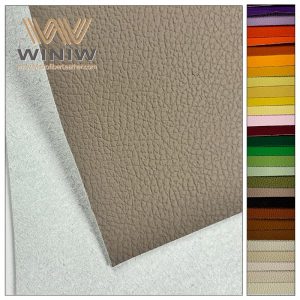
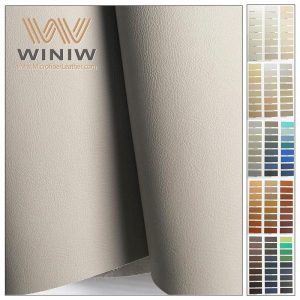
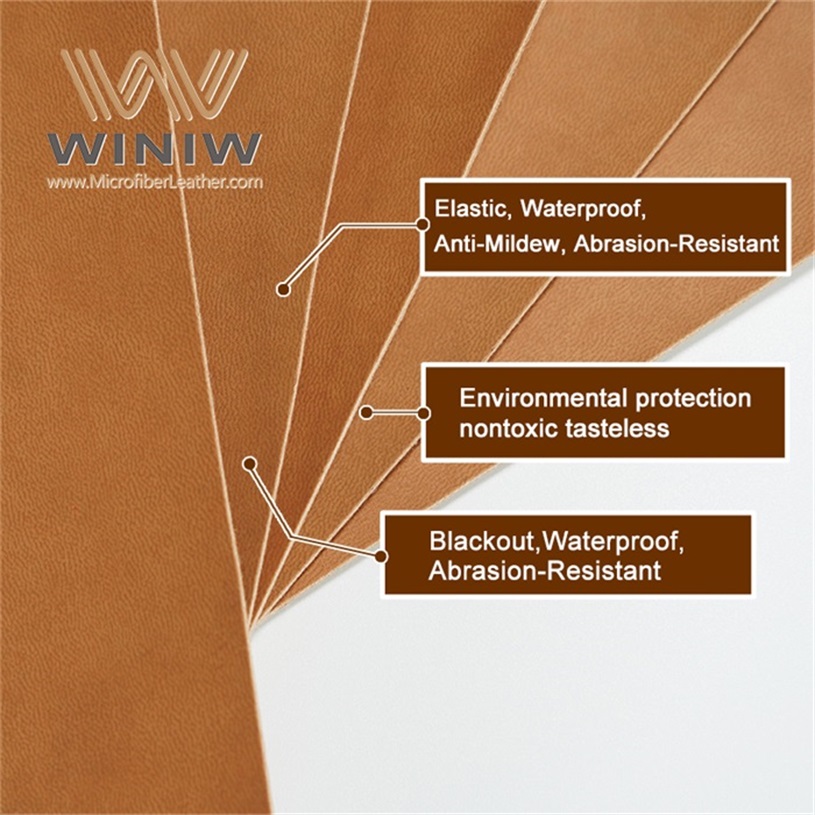
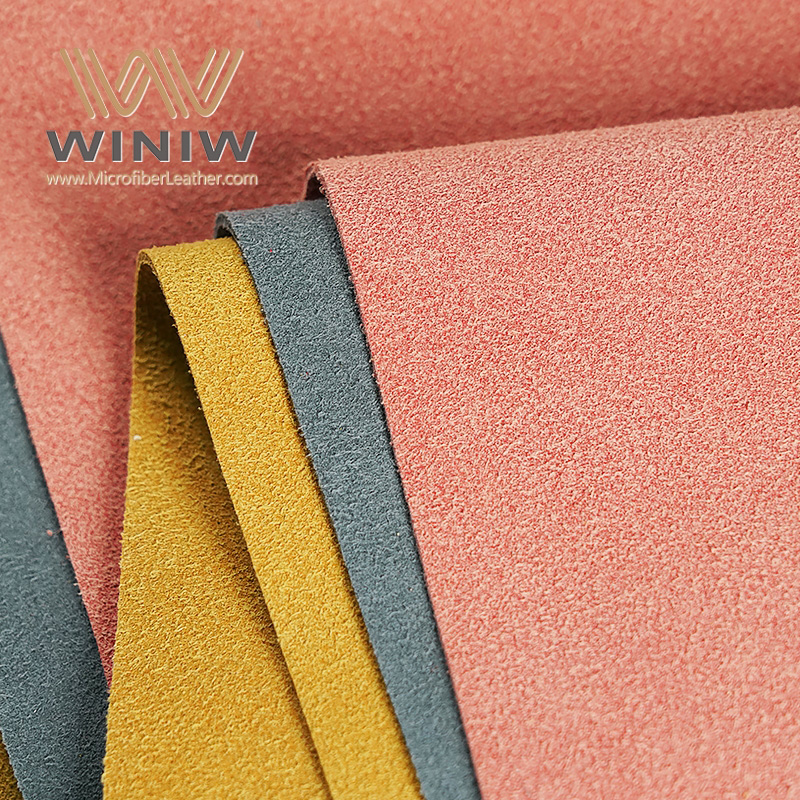
You also see fake leather made from polyurethane in jackets, bags, and shoes. This material is good for animals and lasts longer than real leather. Polyurethane coatings make clothes water-resistant and tougher, which is great for outdoor gear and things that need to absorb shocks.
Packaging
Polyurethane is changing how products are packed and shipped. You see it in foam inserts, wraps, and containers. Using recycled or plant-based materials in pu material helps the earth and saves money. This supports recycling and cuts down on pollution.
- Polyurethane products are easy to recycle and reuse, which helps the planet.
- Biodegradable and plant-based polyurethane makes packaging greener and cuts waste.
- Better foam insulation in packaging uses less energy and lowers pollution.
Polyurethane packaging is better than old plastics because of new recycling methods. Recycling in a closed loop helps the environment. But both PU and old plastics still need better ways to be thrown away.

Office and Everyday Items
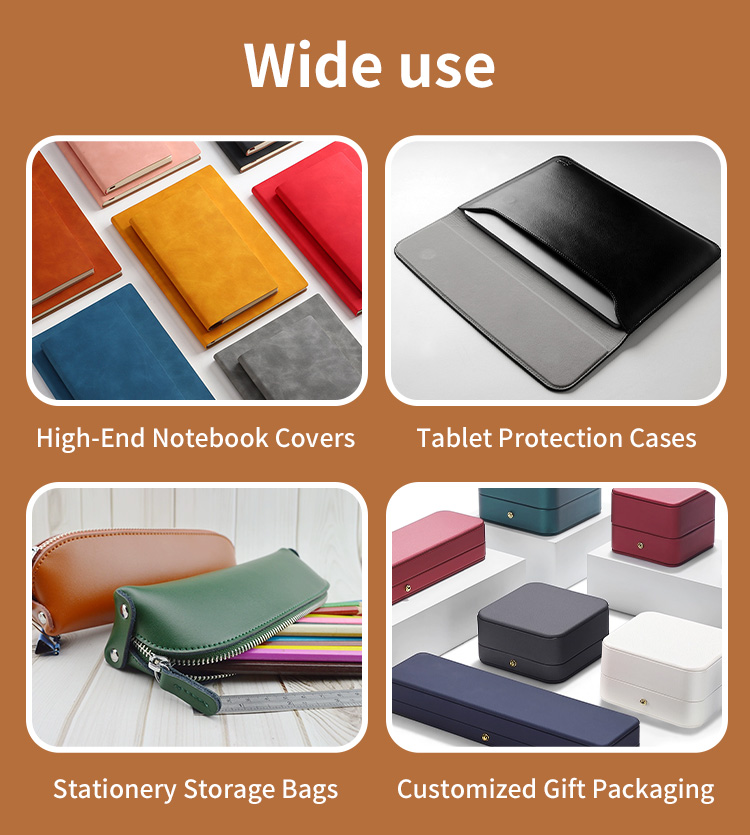
Polyurethane is used in many things at home and work. PU leather covers office chairs, making them soft and nice to look at. Desk pads and book covers use this material for a smooth, strong finish.
- Polyurethane coatings protect surfaces from sun and damage, so office supplies last longer.
- Thick polyurethane foam keeps its shape, which is good for chair padding.
You find pu material in pens, mouse pads, and phone cases. Polyurethane makes your workspace more comfy and helps your stuff last longer.

Polyurethane Applications in Industry
Insulation and Soundproofing
Polyurethane is used a lot for insulation. It helps keep buildings warm in winter. It also keeps them cool in summer. Polyurethane traps air inside, which makes it good for thermal insulation. You can find it in wall panels, roof boards, and pipes. Many people use polyurethane foam to block noise in rooms. Open-cell polyurethane foam has lots of air inside. This helps block some sound at first. But, because it has so much air, it may not work as well over time. Recycled rubber is better for blocking sound and handling impacts. Rubber lasts longer and stays strong. Still, people like polyurethane for insulation because it is light and easy to put in. You can use polyurethane for both keeping heat in and blocking sound. It works in homes, schools, and offices.

Elastomers and Seals
Polyurethane elastomers make strong seals and flexible parts. You see these products in machines, cars, and tools. Polyurethane elastomers do not wear out fast. They last longer than rubber in many jobs. You can use them for gaskets, wheels, and bushings. These parts need to handle rubbing and wearing every day. Polyurethane elastomers keep their shape and do not crack. This means they work better and need fewer repairs. Many companies pick polyurethane because it lasts a long time.
Coatings and Protection
Polyurethane coatings protect surfaces from damage. They cover floors, machines, and furniture. These coatings stop water, oil, and chemicals from getting in. You get a smooth finish that looks nice and lasts long. Polyurethane coatings also stop scratches and wear. This keeps your floors and tools looking new. Factories use these coatings to protect equipment from rust and damage. You can find polyurethane coatings on sports gear, car parts, and electronics. These coatings help you save money because you do not have to replace things often. When you need strong protection, polyurethane coatings are a good choice.

Benefits of PU Material
Comfort and Flexibility
Polyurethane helps you feel comfortable every day. This material is soft and bends easily in many things you use. Soft polyurethane sheets make cushions and pads gentle and supportive. You find these sheets in seals, gaskets, and pads. They press down and spring back to their shape. Flexible polyurethane sheets are used in cars and furniture. They help seats and beds stay comfy and keep their shape.
- Polyurethane feels nice and soft on your skin.
- Mattresses, car seats, and office chairs give better support.
- Polyurethane changes shape to fit your body, so sitting or sleeping is easier.
Polyurethane bends and stretches without breaking. This makes it great for products that need to be comfortable.

Durability and Longevity
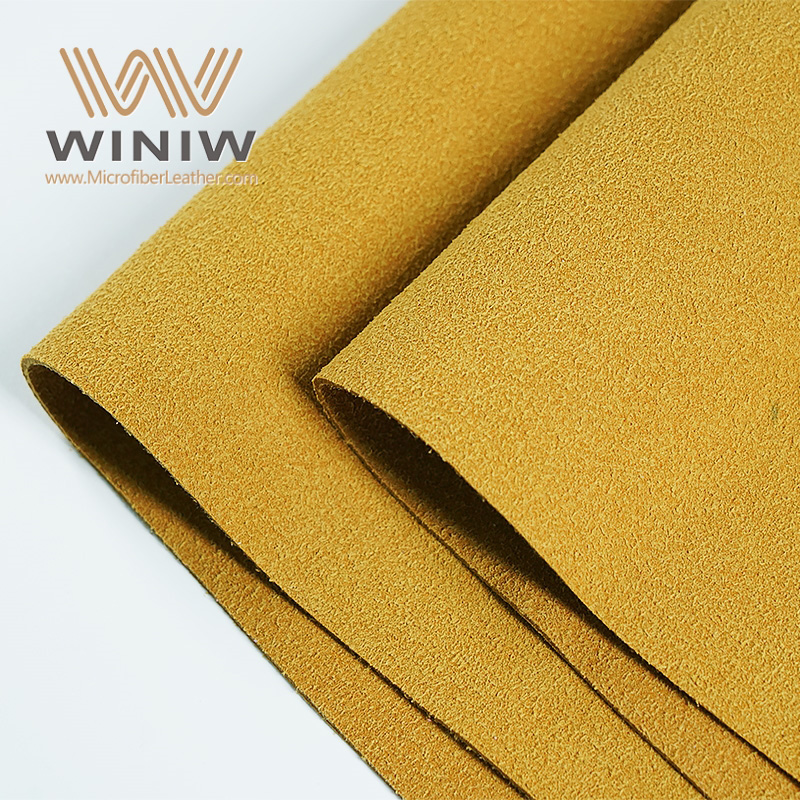
Polyurethane is strong and lasts a long time. You see this in things you use every day. Materials like polyester, polyurethane, and PVC have gotten better. Microfiber can last 10 to 15 years. Cheaper synthetics may crack or peel. PU leather lasts 2 to 5 years if you use it normally. Real leather can last over 20 years if you care for it. Polyurethane is tougher than PVC, but not as long-lasting as natural materials. Rubber can last longer in some cases.
- Polyurethane stands up to scratches, hits, and chemicals.
- It often works better than rubber in hard places.
- Polyurethane waterproofing can last 10 to 25 years.
You can count on polyurethane to stay strong in many uses. It keeps things safe from damage and helps them last.
Versatility
Polyurethane gives you lots of choices because it is strong and flexible. Makers use it in many jobs. You see it in insulation, foam seats, glues, coatings, and elastomers. Polyurethane works for many things because it can be soft or hard, thick or thin.
| Industry | Application Examples |
|---|---|
| Automotive | Insulation materials, gaskets |
| Aerospace | Custom solutions for lightweight parts |
| Construction | Foam products, insulation |
| Consumer Goods | Flexible packaging, durable coatings |
- Polyurethane is strong, resists chemicals, and can be shaped in many ways.
- You find it in things that need to be tough, bendy, or both.
- Polyurethane changes to fit new uses as technology grows.
Polyurethane’s versatility helps you every day. It makes products lighter, stronger, and more useful in many places.

Safety and Sustainability
You want things that are safe for you and the earth. Polyurethane meets strict safety rules in products you use. Many items have labels that show they are safe to use and throw away.
| Certification | Description |
|---|---|
| WEEE Compliance | Follows rules for electrical and electronic waste. |
| Consumer Product Safety Improvement Act of 2008 | Follows rules for lead-free products. |
| TSCA – Toxic Substances Control Act | Does not have substances on the TSCA list. |
- GREENGUARD means low chemical emissions for cleaner air inside.
- Labels on polyurethane products tell you how to use and throw them away safely.
Polyurethane is better for the earth than PVC because it does not have harmful chemicals like phthalates. You can recycle and reuse polyurethane, but PVC is harder to recycle. Polyurethane can help lower your carbon footprint compared to PVC. But if not handled right, polyurethane can add waste to landfills. When it breaks down, it can let chemicals into the earth. Natural rubber is renewable and breaks down, but growing it can hurt forests.
Tip: Always look for recycling choices near you when you finish using polyurethane products.
Polyurethane gives you safety, strength, and helps protect the planet. You get products that meet today’s standards and help keep the earth healthy.

PU Material vs. Other Materials
PU vs. PVC
Polyurethane and PVC are used in lots of things. Each one has its own good points. Polyurethane feels soft and bends easily. PVC is hard and strong. You see PVC in pipes and wires. Polyurethane is better for furniture and shoes.
| Feature | PVC | PU |
|---|---|---|
| Chemical Composition | Made from vinyl chloride monomers | Derived from polyols and diisocyanates |
| Physical Properties | Rigid, high tensile strength | Flexible, excellent elasticity |
| Applications | Construction, plumbing, electrical insulation | Furniture, footwear, automotive interiors |
| Cost | Generally more affordable | Typically more expensive |
| Advantages | Durable, low maintenance, cost-effective | Flexible, comfortable, resistant |
Polyurethane gives you more comfort and bends well. PVC costs less and lasts a long time. Pick polyurethane for soft seats or shoes. Pick PVC for pipes or cables.
PU vs. Rubber
Rubber and polyurethane are found in many places. Polyurethane lasts longer than rubber in hard jobs. Rubber is used in tires and balls. Polyurethane works well in seals, wheels, and foam.
- Polyurethane stands up to oil and chemicals better.
- Rubber bends easily but wears out faster.
- Polyurethane keeps its shape and does not crack fast.
- Polyurethane can be soft or hard, so you have more choices.
Tip: For heavy use, polyurethane often stays strong longer than rubber.
PU vs. Leather
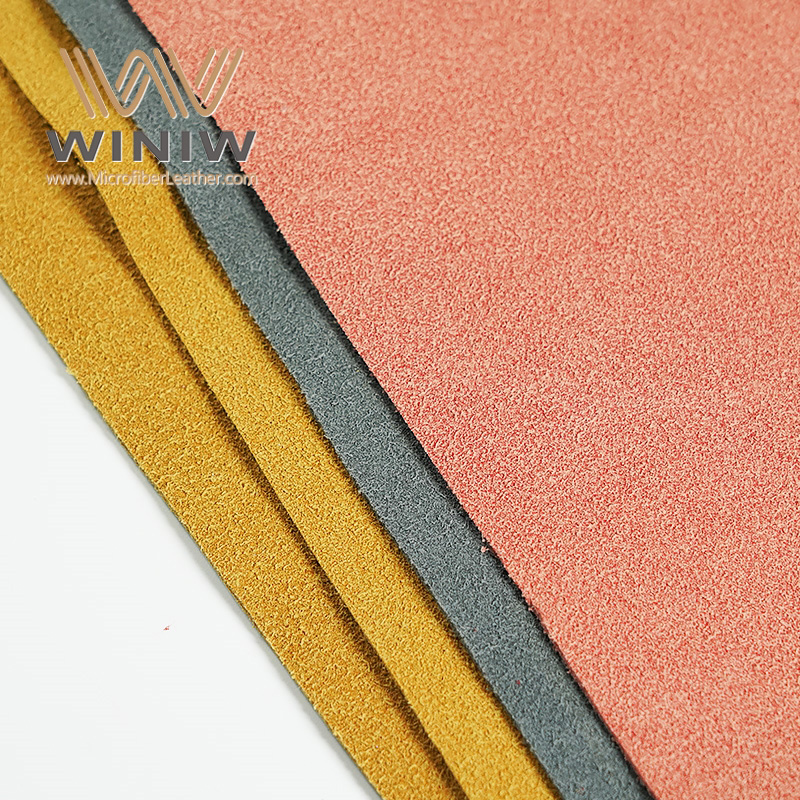
Leather and polyurethane are used in shoes, bags, and jackets. Polyurethane looks like leather but costs less.
- Polyurethane does not use animal products, so it helps animals.
- Leather lasts longer if you take care of it. Polyurethane stays nice for a few years.
- Polyurethane does not get ruined by water or stains. Leather needs more care.
- Polyurethane comes in more colors and styles.
Polyurethane gives you stylish things that are easy to clean. Leather gives you a classic look and can last for many years.

Future Trends
Innovations in Polyurethane
Big changes are coming for polyurethane in 2025 and later. Companies want to make polyurethane stronger and better for the earth. More people want advanced polyurethane sealants now. This means you will see better choices for building and car jobs. New products use special stabilizers like AddWorks™ IBC 760. These stabilizers help polyurethane last longer and work well in hard places. You will find sealants that stay strong in heat, cold, and rain. Some new polyurethane products might win big awards. They help the earth and work really well.
Tip: If you pick products with new polyurethane technology, you get better results and help the earth.

Sustainability in Polyurethane Applications
You care about the planet, and so do many companies. Polyurethane makers use more recycled and plant-based stuff now. This helps lower waste and pollution. You will see more packaging and shoes made from eco-friendly polyurethane.
Here are some ways polyurethane is getting greener:
- Factories use less energy to make polyurethane.
- More products use recycled foam and plant oils.
- Companies make polyurethane that breaks down faster after use.
| Green Feature | How It Helps You and the Planet |
|---|---|
| Recycled Content | Cuts down on landfill waste |
| Plant-Based Inputs | Uses fewer fossil fuels |
| Energy Efficiency | Lowers carbon footprint |
You can look for labels that show a product uses sustainable polyurethane. These changes mean you get strong, safe products that also protect the planet.
Polyurethane is found in lots of things you use daily. It is in furniture, cars, shoes, and medical tools. This material helps make things comfy and strong. You have many options because of polyurethane.
- Good insulation helps you use less energy.
- Products last longer and work well.
When you sit on a chair or put on sneakers, check for polyurethane. You will see how much it is part of your life.

FAQ
What does PU material stand for?
PU stands for polyurethane. You see this material in many products like shoes, furniture, and car seats. Polyurethane can be soft or hard. It helps make things comfortable and strong.
Is PU material safe for you to use?
Yes, PU material is safe for you. Manufacturers test it for safety. You find it in medical devices, clothing, and furniture. Always check for safety labels if you have allergies or sensitive skin.
Can you recycle PU material?
You can recycle some PU materials. Many recycling centers accept PU foam and plastics. Look for recycling symbols on the product. Ask your local recycling center if they take PU items.
How do you clean PU leather?
Use a soft cloth with warm water and mild soap. Wipe the surface gently. Do not use harsh cleaners or too much water. Dry the PU leather with a clean towel.
What makes PU material different from real leather?
PU material does not come from animals. It costs less and resists water better than real leather. You can find PU in more colors and styles. Real leather lasts longer if you care for it.