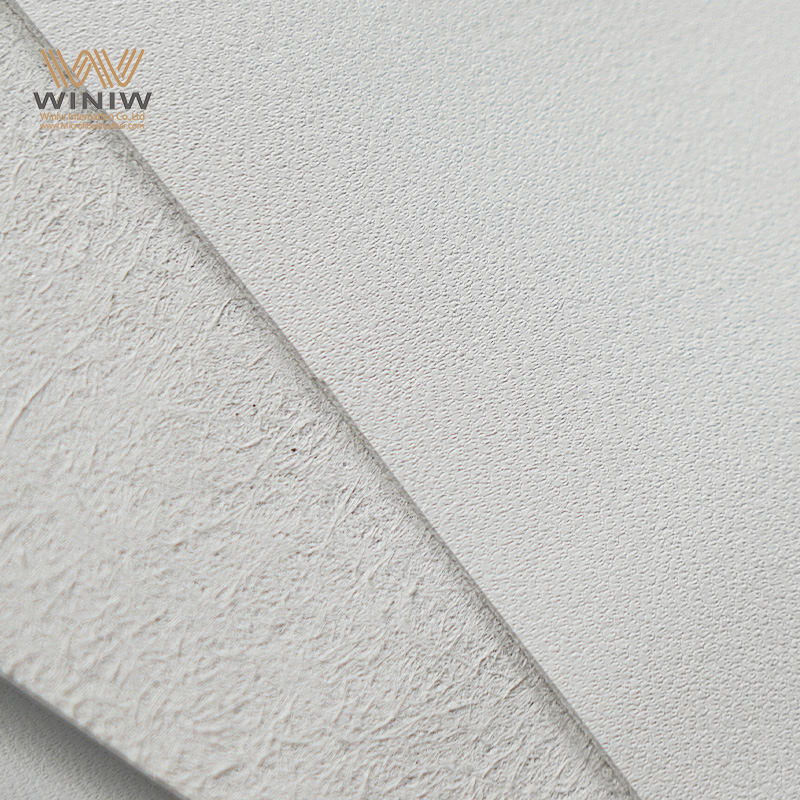
Anyone can start their journey with Leather Fabric and discover rewarding experiences through creativity. An introduction to leathercraft welcomes individuals from all backgrounds and skill levels. Patience and curiosity help learners progress as they explore this hands-on craft. Many find the process enjoyable, especially as each project brings visible improvement.
Key Takeaways
- Leatherworking is a rewarding hobby that fosters creativity and personal growth. Beginners can create unique items like wallets and keychains.
- Many myths exist about leathercraft, such as needing expensive tools or being an expert. In reality, anyone can start with basic supplies and simple techniques.
- Choosing the right leather is crucial. Top-grain and split leather are ideal for beginners due to their affordability and ease of use.
- Essential tools for beginners include utility knives, stitching needles, and edge tools. Investing in quality tools ensures better results.
- Practice is key to mastering leatherworking. Regularly work on small projects to build confidence and improve skills.
- Mistakes are part of the learning process. Analyze errors to refine techniques and avoid repeating them in future projects.
- A well-organized workspace enhances efficiency and safety. Keep tools accessible and maintain a clean environment for crafting.
- Joining leatherworking communities provides support and resources. Engage with others to share ideas, ask questions, and celebrate progress.
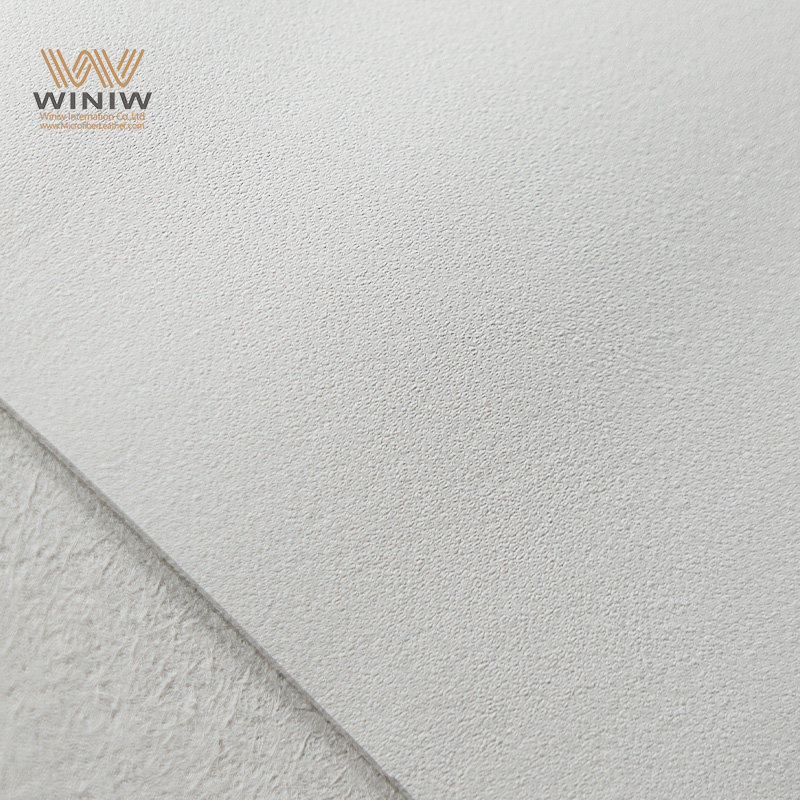
Leatherworking Beginners foot stamps produce geometric shapes and accents.
The stamping process follows a few key steps. First, the leatherworker dampens the surface with a sponge. Next, they position the stamp and strike it with a mallet, using steady and controlled force. Repeating this process with different tools allows for creative combinations and unique designs.
Note: Beginners should invest in comprehensive stamp kits and practice on vegetable tanned leather. Controlled strikes and proper dampening lead to crisp, professional impressions.
Stamping transforms simple leather items into personalized works of art. With practice, beginners develop their own style and expand their creative possibilities.
Beginner Projects
Keychain
Leather keychains offer an ideal starting point for those new to leathercraft. Many beginners select this project because it requires minimal materials and tools. The average completion time for a leather keychain is just a few hours, making it accessible for individuals with limited experience. Popular beginner leather projects include keychains, mousepads, pouches, card wallets, and watchbands.
A step-by-step approach helps ensure success:
- Cut a piece of leather into the desired shape using a utility knife. Keep the leather flat against the workspace for accuracy.
- Use a drive punch to create two holes for the keyring.
- Design the keychain with leather dyes, stamps, or patterns. Begin with light details and add complexity gradually.
- Apply a leather finish or seal to protect the keychain from wear. Allow the finish to dry completely.
- Attach rivets by folding the leather strip over the keyring. Secure it with a rivet setting tool or hammer.
Tip: Beginners should practice on scrap leather before starting their main project. This approach builds confidence and improves technique.
Card Holder
A leather card holder introduces slightly more complexity but remains a favorite among leather projects for beginners. The project teaches essential skills such as cutting, stitching, and finishing. Most individuals complete a card holder in a few hours, depending on their familiarity with the tools.
Common challenges include:
- Choosing leather that is too thick, which results in a bulky card holder.
- Managing the complexity of stitching, which can overwhelm those new to leatherworkin