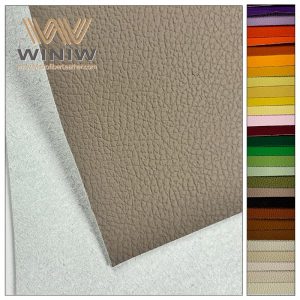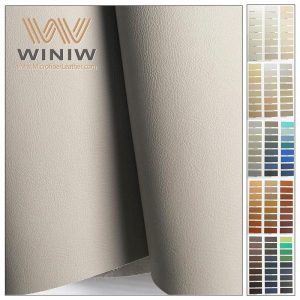
When I approach sewing leather fabric, I focus on patience, preparation, and the right tools. Using a walking foot, Teflon foot, leather needles, and clips makes a huge difference. I always remind myself that every project brings challenges and rewards. Mistakes happen, and I embrace them as part of learning. I choose materials that inspire me, and I take my time. Here are a few tips I find essential:
- Pick a project you want to wear or show off.
- Allow yourself to make mistakes and learn.
- Remember, sewing leather is not a one-day task.
Key Takeaways
- Choose the right type of leather for your project. Beginners should start with faux leather for easier handling.
- Use specialized tools like leather needles and strong thread to ensure durability and prevent damage.
- Mark stitching lines with removable pens or tailor Practice
Building Skills
Leather crafting requires patience and steady practice. I never rush through dyeing or edge painting, since waiting for paint to dry leads to better results. I focus on each step, knowing that attention to detail makes a difference.
- Patience is needed during the leather dyeing or edge painting phase.
- Waiting for paint to dry is part of achieving a great job.
- Leather crafting is a meticulous craft that requires time, focus, and attention to detail.
- Avoid rushing, as it can lead to mistakes that are hard to fix later.
- Allow time for mistakes, as they are part of the learning process.
- Focus on the outcome rather than the speed of crafting.
- Ensure that tasks are done properly, regardless of the time it takes.
- All experienced crafters started at the same level.
- Patience is essential for mastering leather crafting.
I remind myself that every project is a learning opportunity. With each attempt, my skills improve, and my confidence grows. These tips have helped me achieve better results and enjoy the process of sewing leather.